
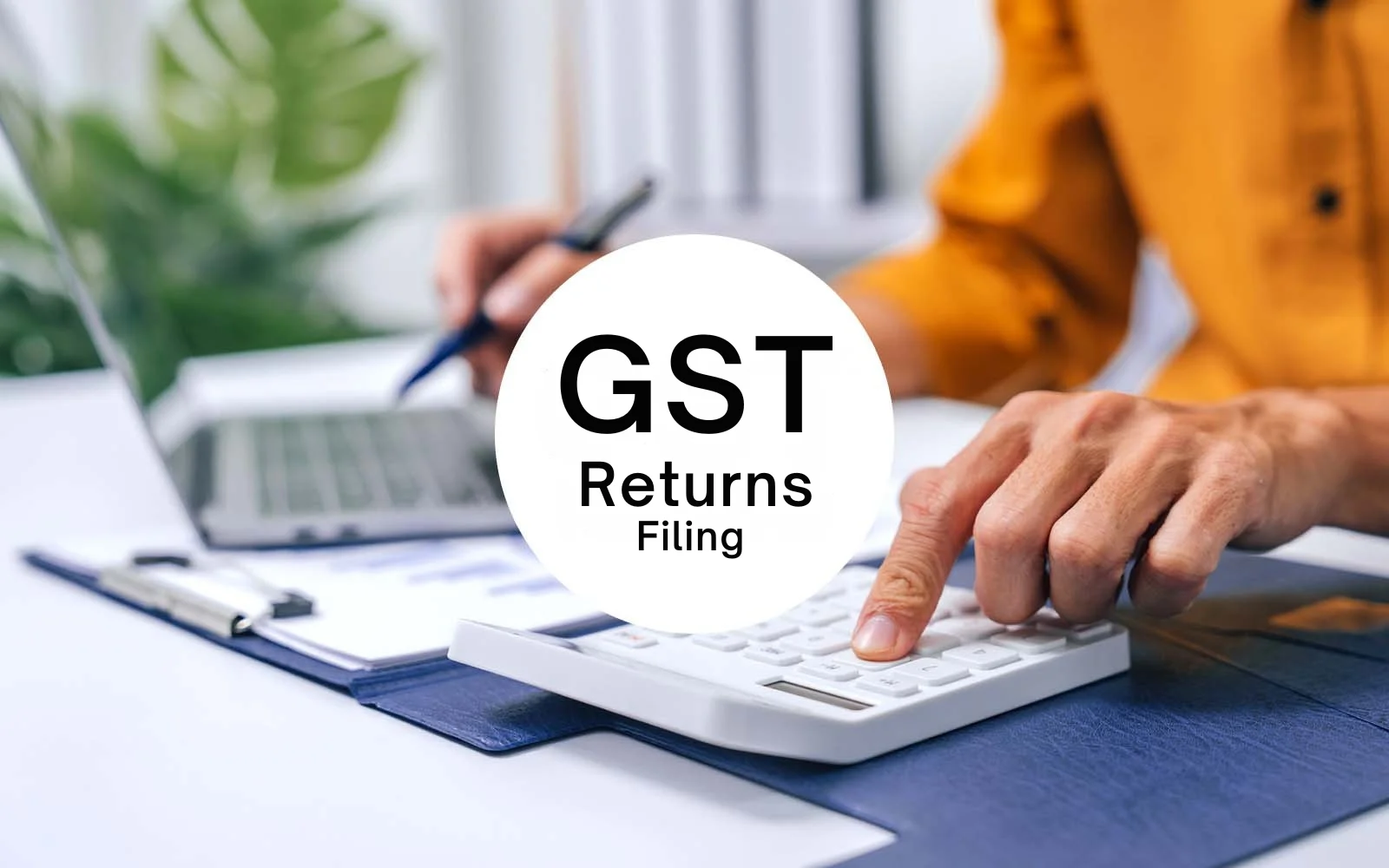
GST Return in Lucknow
Lucknow has evolved into a major commercial and administrative hub in North India. Alongside government institutions and traditional trading markets, the city now supports technology companies, educational organizations, healthcare providers, manufacturers, contractors, retailers, wholesalers, and digital-first enterprises. For GST-registered businesses operating in this environment, return filing directly influences compliance status, input tax credit eligibility, and business continuity.
Legal Papers India supports GST-registered businesses in Lucknow through a remote consultation and documentation model. Return review, reconciliation support, filing guidance, and compliance assistance are delivered online without requiring a physical office presence in the city.
GST Return filing in Lucknow involves reporting taxable sales, purchases, tax liability, and eligible input tax credits through the GST portal within prescribed timelines. Proper filing reduces compliance risks, minimizes reporting discrepancies, and strengthens financial discipline for GST-registered businesses.
Many taxpayers assume that obtaining a GST registration completes their compliance obligations. In reality, return filing becomes the recurring responsibility that determines whether the registration remains compliant and operationally useful.
Our support model includes:
- GST return review
- Sales and purchase reconciliation
- Filing assistance
- GST compliance observations
- Input tax credit verification
- Clarification support
Expert Observation
Businesses rarely face GST issues because returns were filed late alone. More frequently, problems arise because returns were filed with inaccurate transaction data.
Why Businesses in Lucknow Focus on GST Return Compliance?
Businesses in Lucknow increasingly prioritize GST return filing because commercial relationships, government contracts, vendor approvals, and financial reporting often depend on maintaining accurate compliance records.
The city's commercial landscape includes:
- Wholesale markets
- Retail chains
- Construction businesses
- Healthcare providers
- Educational institutions
- IT and software firms
- Manufacturing enterprises
- Export-oriented traders
Practical Example
A wholesale distributor supplying products from Lucknow to dealers across Uttar Pradesh and neighbouring states may file returns regularly. However, if purchase records do not align with supplier filings, input tax credit claims may become problematic.
Common Compliance Mistake
Businesses often focus exclusively on outward sales reporting while overlooking reconciliation of inward supplies and vendor compliance.
Expert Recommendation
Review GST reports alongside accounting records every month rather than waiting until annual reconciliation exercises.
Who Needs GST Return Filing Support in Lucknow?
Any GST-registered business that reports taxable transactions should periodically evaluate return accuracy. Filing complexity generally increases with transaction volume, vendor diversity, and interstate commercial activity.
| Business Type |
Typical GST Return Challenge |
|
Retail Businesses |
High invoice volume |
|
Wholesalers |
Vendor reconciliation |
|
Manufacturers |
Input-output tax matching |
|
Contractors |
Project-based reporting |
|
Consultants |
Multi-client invoicing |
|
E-commerce Sellers |
Marketplace reconciliations |
|
Healthcare Businesses |
Mixed transaction reporting |
|
IT Companies |
Interstate service invoices |
|
Exporters |
Documentation alignment |
|
Startups |
Limited compliance resources |
Decision Checklist
Professional filing support becomes increasingly valuable when:
- Transaction volume grows
- Input tax credit exposure increases
- Multi-state operations expand
- Compliance notices are received
- Reconciliation gaps emerge
Compliance Insight
Businesses generating substantial turnover often discover that reconciliation—not filing—is the most challenging aspect of GST compliance.
GST Return Filing Workflow Explained
GST return filing generally requires collecting transaction records, validating invoices, reconciling tax data, verifying input tax credit claims, preparing return information, and submitting returns through the GST portal within applicable deadlines.
| Step |
Purpose |
Common Mistake |
Expected Timeline |
Expert Tip |
|
Transaction Collection |
Compile sales and purchase records |
Missing invoices |
Monthly |
Maintain organized records |
|
Invoice Validation |
Verify reporting accuracy |
Duplicate entries |
Monthly |
Check source documents |
|
Reconciliation Review |
Match invoices and GST records |
Ignoring mismatches |
Before filing |
Resolve discrepancies early |
|
ITC Verification |
Confirm eligible credits |
Unsupported claims |
Before filing |
Maintain vendor records |
|
Return Preparation |
Draft return data |
Rushed reporting |
Filing cycle |
Conduct internal review |
|
Portal Submission |
File return |
Last-day filing |
Due date dependent |
File ahead of deadlines |
Common Filing Challenges
- Vendor mismatch issues
- Incorrect tax classifications
- Missing purchase invoices
- Delayed accounting entries
- Unreconciled marketplace data
Compliance Warning
Errors that remain unresolved for multiple filing periods become significantly harder to correct later.
Documents & Records Required for GST Return Filing in Lucknow
GST return filing relies primarily on transaction records rather than registration documents. Accurate reporting depends on maintaining complete financial and GST-related documentation.
| Business Type |
Commonly Required Records |
|
Proprietorship |
Sales and purchase invoices |
|
Partnership Firm |
GST reports and ledgers |
|
LLP |
Accounting records and GST data |
|
Private Limited Company |
Tax invoices and reconciliations |
|
OPC |
GST transaction reports |
|
Home Kitchen |
Taxable sales records |
|
Restaurant |
Invoice summaries and GST reports |
|
Manufacturer |
Production and purchase records |
|
Importer |
Import documentation and GST data |
Why Record Requirements Vary
Requirements differ because of:
- Industry type
- Transaction complexity
- Interstate supplies
- Input tax credit utilization
- Reporting obligations
Expert Observation
Many businesses maintain accurate accounting records but still face GST issues because GST reporting classifications differ from accounting treatments.
Benefits of Professional GST Return Filing Assistance
Professional GST return assistance improves reporting quality, reduces compliance gaps, strengthens reconciliation processes, and supports better tax record management throughout the financial year.
Operational Benefits
- Better invoice tracking
- Improved reconciliation controls
- Reduced reporting inconsistencies
- Faster discrepancy identification
Legal Benefits
- Stronger compliance discipline
- Better documentation support
- Reduced avoidable notices
- Improved audit preparedness
Business Growth Benefits
- Better vendor relationships
- Enhanced procurement readiness
- Improved financial reporting reliability
- Reduced operational disruptions
Platform Benefits
- GST portal guidance
- Filing validation support
- Amendment assistance
- Return tracking support
Future Compliance Benefits
- Better annual compliance preparation
- Improved ITC management
- Reduced correction requirements
- Stronger compliance records
Why Businesses in Lucknow Work with Legal Papers India?
Businesses typically seek GST return support that focuses on reconciliation accuracy, compliance clarity, and practical reporting guidance rather than simply submitting returns.
Organizations often value:
- Structured compliance reviews
- Documentation-focused approach
- Practical reporting observations
- Transparent communication
- Ongoing compliance guidance
Buyer Hesitation Point
Many taxpayers worry that external review may complicate filing. In practice, independent reconciliation often identifies issues before they result in notices or credit mismatches.
Transparency Focus
Support generally includes:
- Return review
- Compliance observations
- Filing guidance
- Documentation assessment
Explore our Commitment, About Us
GST Return Filing Cost & Timeline in Lucknow
GST return filing costs vary based on transaction volume, reconciliation requirements, return complexity, filing frequency, and the extent of compliance review required.
| Cost Factor |
Impact Level |
|
Number of Transactions |
High |
|
Vendor Reconciliation |
High |
|
Return Complexity |
Moderate |
|
Filing Frequency |
Moderate |
|
Historical Corrections |
Variable |
Timeline Influencers
- Record availability
- Reconciliation status
- Vendor compliance
- Internal approvals
- Transaction complexity
Expert Recommendation
Businesses should prepare GST data throughout the month rather than collecting records immediately before filing deadlines.
FAQs
1. Do wholesale businesses in Lucknow require monthly GST Return reviews?
Wholesalers often deal with large numbers of invoices and suppliers. Regular reviews help identify mismatches early and support accurate input tax credit claims.
2. Can GST Returns be filed online from Lucknow?
Yes. GST returns are filed through the GST portal, and reconciliation support, documentation review, and filing guidance can generally be managed remotely.
3. What causes GST Return mismatches most frequently?
Vendor reporting differences, missing invoices, incorrect tax classifications, and delayed accounting entries are among the most common causes.
4. How does GST Return filing affect input tax credit?
Input tax credit claims depend on accurate reporting, vendor compliance, and supporting documentation. Errors can impact credit availability.
5. Do construction contractors in Lucknow face unique GST challenges?
Project-based billing, milestone payments, subcontractor transactions, and location-specific tax considerations can create additional reporting complexities.
6. Can GST Returns be revised after filing?
Certain corrections may be addressed according to applicable GST provisions and timelines. Early detection generally provides greater flexibility.
7. Is GST Return filing different for e-commerce sellers?
Yes. Marketplace transactions often require reconciliation between platform reports, accounting systems, and GST records.
8. What influences GST Return filing cost in Lucknow?
Costs typically depend on transaction volume, reconciliation requirements, complexity of reporting, and the extent of compliance review needed.
9. Why do businesses receive GST compliance notices despite filing returns?
Returns may still contain mismatches, reporting inconsistencies, or unsupported claims that trigger further review.
10. Should startups outsource GST Return filing?
Startups with limited internal compliance resources often evaluate professional review support to improve reporting quality and reduce compliance risks.
Need Expert Assistance
GST return filing becomes easier when transaction records, invoices, vendor reporting, and reconciliation activities are reviewed before deadlines arrive.
Most businesses seek clarity regarding:
- Filing requirements
- Reconciliation expectations
- Documentation requirements
- Compliance risks
- Correction options
Request Documentation Assistance
If your organization requires GST Return Filing in Lucknow, Legal Papers India can assist with return review, reconciliation support, compliance observations, filing guidance, and documentation assessment. Our remote consultation model supports wholesalers, retailers, manufacturers, contractors, startups, consultants, exporters, professional firms, and GST-registered businesses operating throughout Lucknow. Contact Legal Papers India Today and Get the Professional Support Your Business Deserves.
Legal Papers India Business Solution Private Limited, F 2, Sector 8, Noida, Uttar Pradesh, 201301
Monday to Saturday 10:00 AM to 06:30 PM





Please submit all general enquiries in the contact form below and we look forward to hearing from you soon.


Captcha:

















Or sign in with:
LOGIN WITH GOOGLESign up for early Sale access plus tailored new arrivals, trends and promotions. To opt out, click unsubscribe in our emails.
Forgot your password? No worries! Enter your registered email to receive a link and securely reset it in just a few steps.