
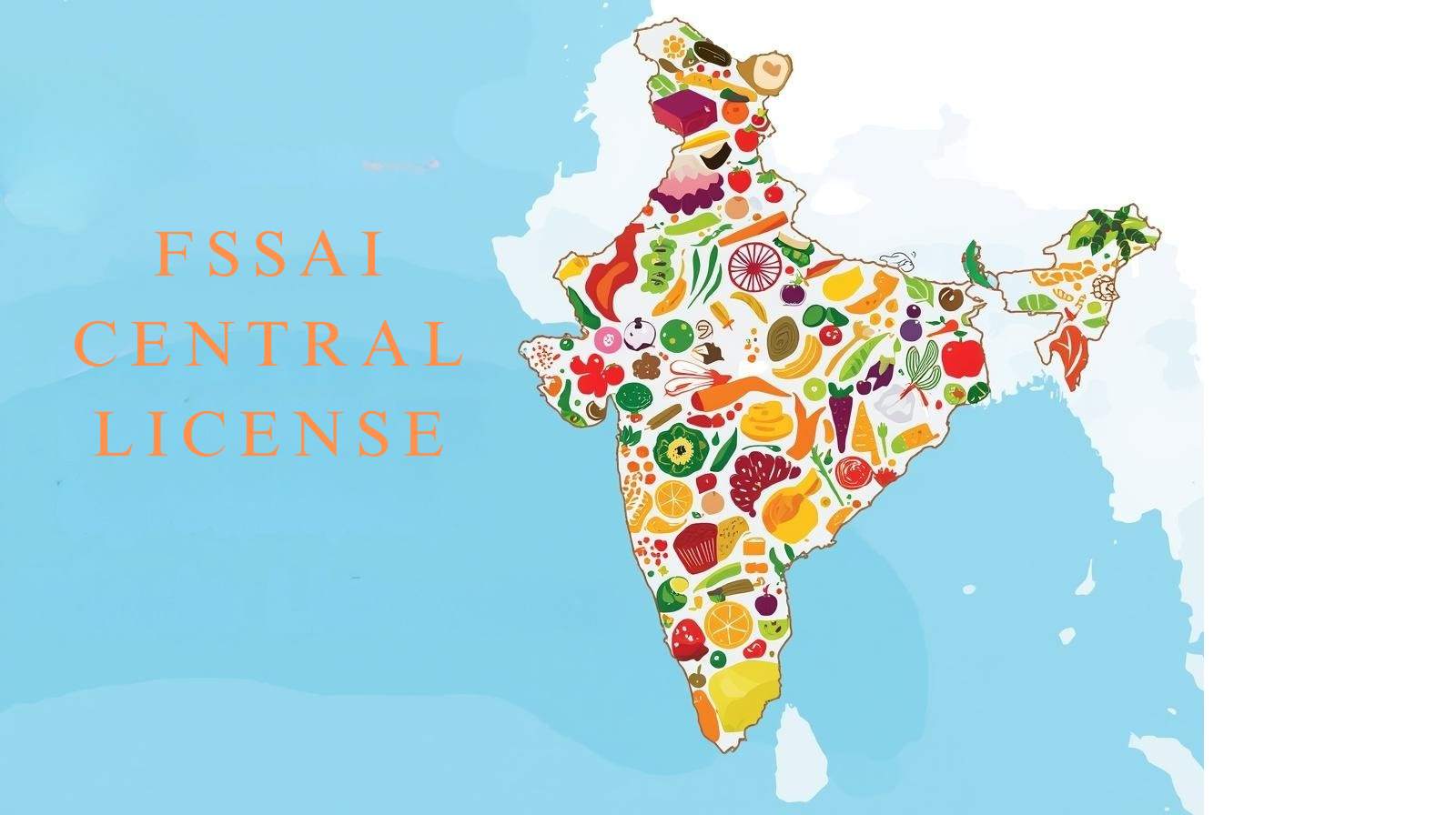
FSSAI Central License in Vijayawada
Vijayawada serves as one of Andhra Pradesh's most important commercial and agricultural trade centers. The city's strong connection to food distribution, agricultural processing, warehousing, logistics, packaged food manufacturing, and interstate trade creates a business environment where food compliance requirements frequently become more sophisticated as companies grow.
Legal Papers India assists businesses in Vijayawada through a remote consultation and documentation model. Our compliance team operates from Delhi and Noida while supporting food businesses across India. Licensing assessments, application preparation, documentation review, modifications, renewals, and compliance guidance are managed digitally without requiring a physical office in Vijayawada.
For manufacturers, exporters, food processors, distributors, warehouses, and large food establishments, evaluating whether a Central License is required can prevent future regulatory and operational complications.
Businesses involved in large-scale food manufacturing, interstate distribution, agricultural product processing, food exports, imports, warehousing, or regulated food operations may require an FSSAI Central License. Eligibility should be determined through operational assessment rather than relying solely on turnover figures.
Vijayawada's position as a trading and logistics hub means many food businesses expand beyond regional boundaries relatively quickly. Agricultural products, processed foods, packaged goods, and distribution operations frequently move through multi-state supply chains.
A common issue occurs when businesses continue operating under licensing categories that matched their earlier scale but no longer reflect current business activities.
Compliance Observation
Many growing food businesses discover licensing gaps only after distributors, procurement teams, or institutional buyers request compliance documentation.
Expert Recommendation
Review licensing obligations whenever your business:
- Expands into additional states
- Begins export operations
- Opens warehousing facilities
- Increases manufacturing capacity
- Adds new food categories
Why Businesses in Vijayawada Review Central Licensing Requirements?
Vijayawada's agricultural trade ecosystem, logistics infrastructure, food processing activities, and growing distribution networks frequently place businesses in situations where Central Licensingbecomes a practical compliance requirement rather than an optional consideration.
Several local business sectors commonly require licensing evaluation:
- Rice processing units
- Food manufacturing businesses
- Agricultural product exporters
- Warehousing operators
- Distribution companies
- Packaged food brands
- Hospitality groups
- Catering businesses
Typical Business Scenarios
| Operational Activity |
Licensing Assessment Priority |
|
Interstate food sales |
High |
|
Food exports |
High |
|
Warehousing operations |
High |
|
Multi-state distribution |
High |
|
Manufacturing expansion |
High |
|
Local-only operations |
Case-specific |
Industry Insight
Food businesses participating in national distribution networks often face compliance verification requirements during supplier onboarding processes.
Common Mistake
Many operators assume that growth in turnover alone determines licensing needs, while actual operational activities often play an equally important role.
Who May Need an FSSAI Central License in Vijayawada?
Eligibility depends on business activities and applicable regulatory criteria. Food manufacturers, agricultural processors, exporters, distributors, warehouse operators, and national food brands frequently review Central Licensing obligations.
Food Processing & Manufacturing Units
Examples include:
- Rice processing facilities
- Packaged food manufacturers
- Snack producers
- Agricultural processing units
- Ready-to-eat food businesses
Warehousing & Distribution Businesses
Large storage and distribution operations often require periodic compliance reviews as business activities expand.
Export-Oriented Food Businesses
Export markets frequently demand stronger compliance documentation and regulatory preparedness.
Hospitality & Catering Operations
Hotel chains and large catering operators may require licensing reassessment when expanding into multiple operational locations.
Digital Food Brands
E-commerce food businesses can scale quickly across state borders, increasing the importance of regulatory evaluations.
Decision-Making Framework
Businesses engaged in interstate trade, large-scale storage, food exports, or manufacturing should consider a licensing review before expansion creates compliance risks.
Registration & Compliance Process Explained
The process generally includes eligibility assessment, document collection, application preparation, authority review, clarification handling, and approval. Proper preparation before filing significantly improves application quality and reduces avoidable delays.
| Step |
Purpose |
Common Mistake |
Expert Recommendation |
|
Eligibility Assessment |
Identify correct category |
Filing without evaluation |
Assess all business activities |
|
Documentation Collection |
Gather records |
Missing operational details |
Prepare a complete checklist |
|
Application Preparation |
Compile filing information |
Inconsistent data |
Verify records carefully |
|
Submission |
File application |
Incorrect activity selection |
Review before submission |
|
Authority Examination |
Regulatory review |
Delayed communication |
Monitor responses closely |
|
Clarification Handling |
Address queries |
Incomplete explanations |
Keep supporting records ready |
|
Approval & Compliance Planning |
License issuance |
Ignoring renewals |
Maintain compliance tracking |
Practical Example
A rice processor supplying products across several states may require a different compliance evaluation than a processor serving only local markets.
Approval Delay Factor
One frequent cause of delays is inconsistency between GST records, incorporation documents, and operational activities described in the application.
Documents Required for FSSAI Central License in Vijayawada
Documentation requirements depend on business structure, operational activities, and regulatory category. Manufacturers, exporters, importers, and warehouse operators often require additional supporting records.
| Business Type |
Typical Documents Required |
|
Proprietorship |
PAN, Aadhaar, address proof, business details |
|
Partnership Firm |
Partnership deed, PAN, partner documents |
|
LLP |
LLP incorporation records, designated partner details |
|
Private Limited Company |
Incorporation certificate, PAN, director records |
|
OPC |
Incorporation documents and identity proof |
|
Home Kitchen |
Identity proof and operational details |
|
Restaurant |
Business registration and premises records |
|
Manufacturer |
Facility and production information |
|
Importer |
IEC registration and supporting documents |
Additional Documentation May Be Required For
- Export businesses
- Agricultural processors
- Warehousing facilities
- Cold storage operations
- Multi-location businesses
- Contract manufacturers
Compliance Tip
All submitted records should contain consistent business names, addresses, and ownership details to reduce clarification requests.
Benefits of Choosing Professional Assistance
Professional assistance supports proper category selection, improves filing accuracy, reduces documentation mistakes, and helps businesses prepare for future compliance obligations.
Operational Benefits
- Better documentation control
- Improved application accuracy
- Reduced correction requirements
- Organized filing process
Legal Benefits
- Proper compliance assessment
- Regulatory alignment
- Reduced licensing risks
Business Growth Benefits
- Supports expansion planning
- Improves procurement readiness
- Facilitates distributor onboarding
Platform Benefits
- Remote consultation model
- Digital documentation process
- Centralized communication
Future Compliance Benefits
- Renewal planning
- Modification assistance
- Regulatory monitoring
- Expansion-related compliance guidance
Why Businesses from Vijayawada Work with Legal Papers India?
Many businesses seek guidance that considers long-term operational growth, regulatory obligations, and future expansion plans rather than focusing solely on application filing.
Our consultation process includes:
- Eligibility assessment
- Documentation review
- Filing support
- Clarification management
- Renewal guidance
- Modification assistance
Related Compliance Services
- FSSAI Registration
- FSSAI State License
- FSSAI Renewal
- FSSAI Return Filing
- GST Registration
- IEC Registration
- Trademark Registration
- MSME Registration
Industry Observation
Food businesses frequently seek licensing guidance after receiving compliance requirements from institutional buyers, distributors, exporters, or retail procurement teams. Get To Know Us About Us
Cost & Timeline for FSSAI Central License in Vijayawada
Licensing costs and timelines vary according to business activities, documentation quality, operational complexity, authority review requirements, and professional assistance needs.
Factors Affecting Cost
- Nature of food operations
- Manufacturing complexity
- Export activities
- Warehousing operations
- Number of locations
- Scope of compliance support
Factors Affecting Timeline
| Factor |
Impact |
|
Complete documentation |
Faster processing |
|
Accurate filing |
Fewer clarifications |
|
Complex operations |
Extended review |
|
Multiple facilities |
Additional scrutiny |
|
Authority queries |
Longer timeline |
Expert Observation
Businesses that review documentation before filing generally experience fewer interruptions during the authority review stage.
Frequently Asked Questions
1.Do rice processing businesses in Vijayawada require a Central License?
Eligibility depends on operational scale and regulatory criteria. Rice processing businesses should evaluate their activities before determining licensing requirements.
2. Can food exporters apply for a Central License online?
Yes. Documentation review, consultation, application preparation, and communication can generally be completed through online processes.
3. What is the FSSAI Central License cost in Vijayawada?
Costs vary depending on government fees, operational complexity, business activities, and professional support requirements.
4. Does interstate food distribution affect licensing requirements?
Yes. Interstate operations frequently trigger licensing reviews because the business scope extends beyond regional markets.
5. What causes the most application delays?
Documentation inconsistencies, incorrect category selection, incomplete records, and delayed responses to authority queries are common reasons.
6. Can warehousing companies require Central Licensing?
Certain warehousing operations may require Central Licensing depending on capacity and applicable regulatory criteria.
7. Is renewal mandatory after obtaining approval?
Yes. Timely renewal is important to maintain compliance and prevent operational disruptions.
8. Can a food business modify its existing license later?
Yes. Modifications may become necessary when ownership structures, activities, premises, or licensing requirements change.
9. Do agricultural product exporters commonly need licensing reviews?
Yes. Export-oriented businesses frequently assess licensing obligations because international buyers often require compliance verification.
10. Should food startups evaluate Central Licensing before expansion?
Businesses planning interstate growth, exports, or warehousing expansion should assess licensing requirements before scaling operations.
Grow with Legal Papers India
Before submitting an application, it is worth confirming whether your current operations actually require a Central License and whether your documentation accurately reflects your business activities.
Legal Papers India assists manufacturers, processors, exporters, distributors, warehouses, hospitality businesses, and food brands operating from Vijayawada through a structured remote consultation model.
Get Expert Consultation to evaluate your FSSAI Central License requirements, documentation readiness, and future compliance obligations. Contact Us
Legal Papers India Business Solution Private Limited, F 2, Sector 8, Noida, Uttar Pradesh, 201301
Monday to Saturday 10:00 AM to 06:30 PM





Please submit all general enquiries in the contact form below and we look forward to hearing from you soon.


Captcha:




Or sign in with:
LOGIN WITH GOOGLESign up for early Sale access plus tailored new arrivals, trends and promotions. To opt out, click unsubscribe in our emails.
Forgot your password? No worries! Enter your registered email to receive a link and securely reset it in just a few steps.