
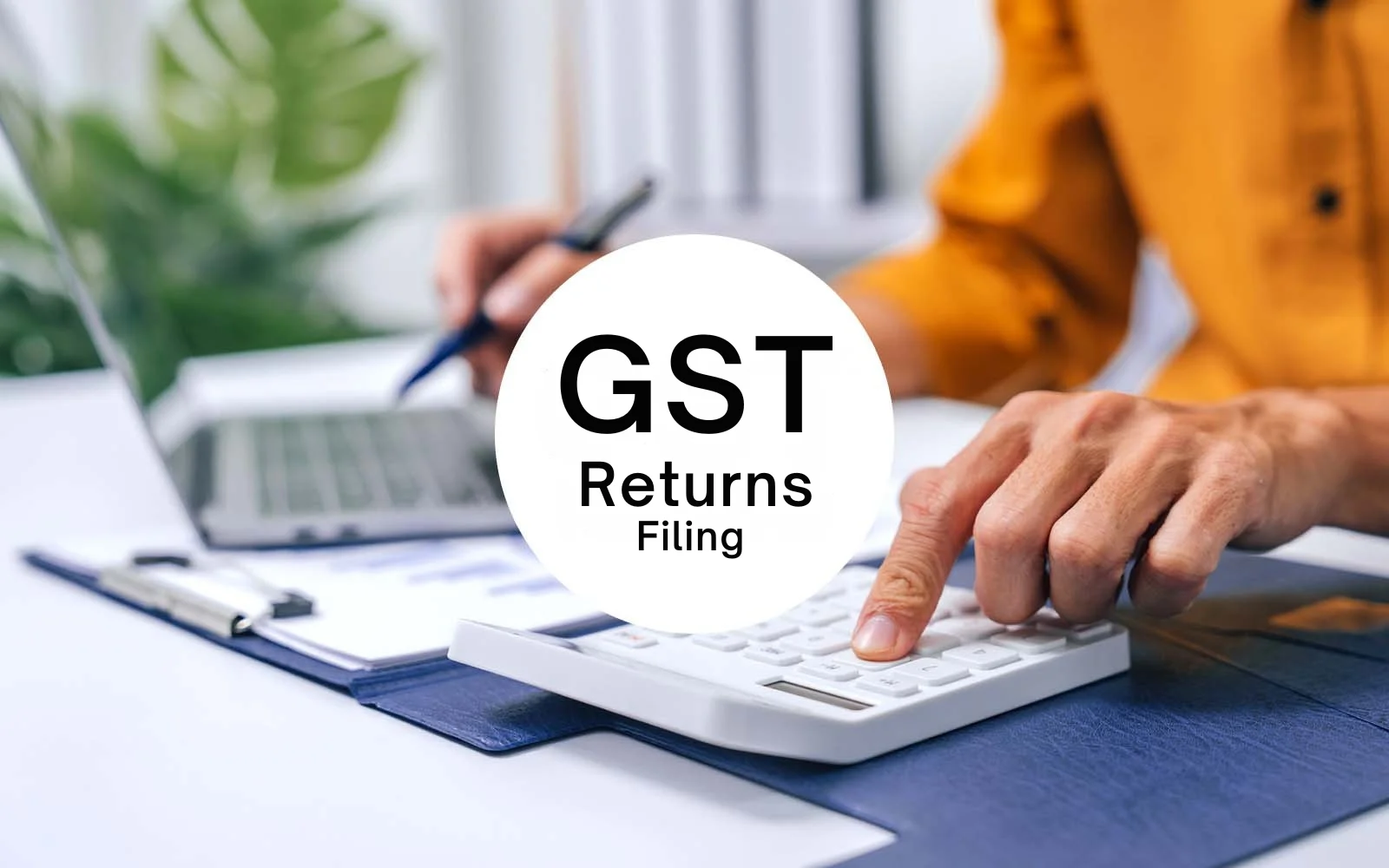
GST Return in Bhubaneswar
Businesses registered under GST must comply with periodic return filing requirements regardless of whether they operate as manufacturers, traders, consultants, contractors, exporters, or service providers. Legal Papers India assists businesses in Bhubaneswar through a remote documentation and consultation model, enabling GST compliance support without requiring a physical visit. From routine return filing to reconciliation reviews and compliance guidance, the objective is to help businesses maintain accurate reporting and reduce the likelihood of notices, penalties, or Input Tax Credit disputes.
As Bhubaneswar continues to expand as an administrative, technology, education, infrastructure, and industrial hub, GST compliance has become increasingly important for businesses participating in government contracts, vendor ecosystems, interstate trade, and digital commerce.
GST return filing is the process through which registered taxpayers report sales, purchases, tax liability, and Input Tax Credit details to the GST system. For businesses in Bhubaneswar, accurate filing is often more important than simply filing on time because reporting errors can create future compliance complications.
Legal Papers India operates on a Pan-India advisory model. Documentation, consultation, review, and filing coordination are managed remotely. This approach is particularly useful for businesses that require professional guidance while maintaining operational flexibility.
Before filing returns, businesses should ensure:
- Invoice records are updated
- Vendor compliance status is reviewed
- Tax classifications are verified
- Input Tax Credit claims are reconciled
- Previous filing discrepancies are addressed
A common compliance mistake is treating GST filing as a monthly administrative task rather than an ongoing financial control process.
Why Businesses in Bhubaneswar Prioritize GST Return Compliance?
GST return filing has become a business necessity for organizations operating in Bhubaneswar's growing commercial ecosystem. Companies involved in IT services, engineering consulting, infrastructure development, logistics, healthcare, hospitality, manufacturing, and professional services frequently encounter compliance requirements extending beyond basic registration.
One practical observation is that many GST issues arise when businesses scale operations. A company that initially served local customers may later engage in interstate transactions, government contracts, exports, or e-commerce activities, increasing compliance complexity.
Common challenges include:
- Vendor invoice mismatches
- Input Tax Credit reconciliation issues
- Delayed return submissions
- Errors in GSTR-1 and GSTR-3B reporting
- Multi-state transaction reporting
- Tax treatment of service contracts
- Export documentation alignment
Businesses that conduct periodic GST reviews often identify issues before they escalate into notices or blocked credits.
Who Needs GST Return Filing in Bhubaneswar?
GST return filing applies to a diverse group of registered taxpayers. The exact filing requirements depend on turnover, registration category, business model, and tax structure.
Typical Business Categories Requiring GST Compliance Support
| Business Category |
Common GST Requirement |
|
Proprietorship Firms |
Periodic return filing |
|
Retail Businesses |
Sales reporting |
|
Wholesalers |
Purchase and sales reconciliation |
|
Manufacturers |
Input-output tax matching |
|
Contractors |
Project-based tax reporting |
|
IT Service Providers |
Service GST compliance |
|
Consultants |
Tax liability reporting |
|
Digital Agencies |
Service invoice reporting |
|
LLPs |
Periodic GST returns |
|
Private Limited Companies |
Monthly or quarterly compliance |
|
Importers |
Import-related GST reporting |
|
Exporters |
Zero-rated supply compliance |
|
E-commerce Sellers |
Marketplace reconciliation |
|
Professional Firms |
Service-based filing obligations |
Expert recommendation: Businesses should reassess compliance requirements whenever turnover, service categories, or geographic markets change.
GST Return Filing Process Explained for Businesses
Accurate GST compliance follows a structured workflow involving data collection, reconciliation, verification, and filing. Businesses that skip reconciliation often encounter future correction requirements.
GST Return Filing Workflow
| Step |
Purpose |
Common Mistake |
Expert Recommendation |
|
Document Collection |
Gather invoices and records |
Missing purchase invoices |
Maintain monthly records |
|
Data Verification |
Review transaction accuracy |
Incorrect GST classification |
Validate tax treatment |
|
Reconciliation |
Match sales and purchases |
Ignoring vendor mismatches |
Review GST portal data |
|
Tax Computation |
Calculate liability |
Manual calculation errors |
Cross-check tax summary |
|
Return Preparation |
Prepare filing data |
Incorrect turnover reporting |
Review before submission |
|
Return Filing |
Submit GST return |
Missing due dates |
Use compliance calendar |
|
Post-Filing Review |
Verify filing status |
Ignoring acknowledgements |
Retain filing records |
Common Mistakes vs Recommended Action
| Mistake |
Potential Impact |
Recommended Action |
|
Late Filing |
Penalties and interest |
Maintain filing schedule |
|
Wrong GST Rate |
Tax mismatch |
Verify classification |
|
ITC Without Verification |
Credit disputes |
Reconcile vendor data |
|
Duplicate Invoice Entries |
Reporting errors |
Conduct review before filing |
|
Missing Amendments |
Ongoing discrepancies |
Address corrections promptly |
A compliance review before filing is often less expensive than correcting multiple periods later.
Documents Required for GST Return Filing in Bhubaneswar
The documentation required depends on the structure and nature of the business. Additional records may be required where imports, exports, e-commerce transactions, or government contracts are involved.
| Business Type |
Documents Commonly Required |
|
Proprietorship |
GSTIN, invoices, bank records |
|
Partnership Firm |
GST records, invoice data, partnership details |
|
LLP |
GST filings, books of accounts, invoice reports |
|
Private Limited Company |
Financial records, GST data, invoice summaries |
|
OPC |
GST registration and transaction records |
|
Home Kitchen |
Sales records and GST documentation |
|
Restaurant |
Purchase records, invoices, POS summaries |
|
Manufacturer |
Production and tax records |
|
Importer |
Customs and import documentation |
|
Exporter |
Shipping and export records |
Why Document Requirements Differ?
A manufacturing unit may need additional inventory and production-related records, while an exporter may require shipping and export documentation. Businesses should not assume identical document requirements across industries.
Benefits of Professional GST Return Assistance
Professional GST support provides more than filing convenience. The primary value often lies in identifying reporting risks before they affect tax credits or compliance standing.
Operational Benefits
- Organized filing schedules
- Better invoice management
- Reduced reconciliation effort
- Improved record maintenance
Legal Compliance Benefits
- Timely return submissions
- Lower risk of avoidable notices
- Better audit preparedness
- Consistent reporting practices
Business Growth Benefits
- Improved vendor confidence
- Stronger compliance profile
- Better readiness for funding reviews
- Easier participation in procurement processes
Technology & Platform Benefits
- Digital documentation workflows
- Return tracking systems
- Structured compliance records
- Better data visibility
Future Compliance Benefits
- Simplified annual return preparation
- Reduced historical correction requirements
- Improved financial transparency
- Better scalability as business expands
Why Businesses in Bhubaneswar Choose Legal Papers India
Businesses generally seek GST support when they need practical guidance rather than generic information. Compliance obligations vary significantly depending on transaction structure, industry, and reporting frequency.
Legal Papers India assists clients through:
- Remote consultation
- Documentation review
- Return filing coordination
- GST reconciliation guidance
- Amendment support
- Compliance planning discussions
Client-Focused Considerations
Businesses frequently ask:
- What documents are required?
- How long will filing take?
- What happens if previous returns contain errors?
- How can ITC mismatches be reduced?
- What records should be retained?
Providing clarity around these questions often prevents future compliance complications. To Know Our Approach About Us
GST Return Filing Cost & Timeline in Bhubaneswar
There is no single filing cost applicable to every business. Filing complexity depends on transaction volume, industry type, reporting frequency, and reconciliation requirements.
Factors Influencing Cost
| Factor |
Impact on Filing Complexity |
|
Monthly Transactions |
Higher volume requires more review |
|
Business Structure |
Different reporting needs |
|
Interstate Supplies |
Additional verification |
|
E-commerce Operations |
Marketplace reconciliation |
|
Import/Export Activity |
Documentation review |
|
Historical Corrections |
Additional compliance effort |
|
Multiple GST Registrations |
Increased coordination |
Timeline Considerations
The filing timeline depends on:
- Availability of documents
- Record accuracy
- Reconciliation requirements
- Vendor compliance status
- Complexity of transactions
Businesses maintaining organized monthly records generally experience smoother filing cycles.
Frequently Asked Questions
1. Is GST return filing mandatory even if there were no sales?
Depending on the registration category and filing requirements applicable to the taxpayer, returns may still need to be filed even during periods with limited or no business activity.
2. Can GST returns be filed online from Bhubaneswar?
Yes. GST return filing is completed through the GST system, and businesses can coordinate documentation, review, and compliance support remotely.
3. How often should GST reconciliation be performed?
Many professionals recommend monthly reconciliation because delays often make discrepancy resolution more difficult and may affect Input Tax Credit claims.
4. What is the most common GST filing mistake made by small businesses?
One common issue is relying solely on accounting software records without comparing them against vendor filings and GST portal data.
5. Can exporters in Bhubaneswar have additional GST compliance requirements?
Yes. Export transactions often require additional documentation reviews and alignment between GST records and export documentation.
6. Do IT companies and consultants require GST return filing?
Registered service providers, including IT firms and consultants, must comply with applicable GST return filing obligations based on their registration status.
7. How does delayed vendor filing affect Input Tax Credit?
Vendor reporting discrepancies can affect credit availability and create reconciliation issues that require further review and correction.
8. Can previous GST return errors be corrected?
Certain amendments may be possible depending on the nature of the error and applicable compliance provisions. Timely action is generally advisable.
9. Why should businesses review GST compliance before financial audits?
Consistent GST records support financial accuracy and reduce the risk of discrepancies being identified during audit or due diligence exercises.
10. Is GST compliance important for government contractors in Bhubaneswar?
Yes. Businesses participating in infrastructure, engineering, consultancy, or government-related projects often face compliance scrutiny during vendor evaluations.
Get Expert Consultation for GST Return
Many businesses delay compliance reviews until a notice, mismatch, or filing issue arises. In practice, preventive compliance management is usually more efficient than corrective action.
If you need guidance on GST return filing, reconciliation reviews, amendment support, filing timelines, documentation requirements, or GST compliance planning, Legal Papers India can assist through a remote consultation model.
Discuss your business structure, transaction profile, and compliance concerns with our team to understand the filing approach most suitable for your requirements. Connect with Legal Papers India Today Contact Us
Legal Papers India Business Solution Private Limited, F 2, Sector 8, Noida, Uttar Pradesh, 201301
Monday to Saturday 10:00 AM to 06:30 PM





Please submit all general enquiries in the contact form below and we look forward to hearing from you soon.


Captcha:

















Or sign in with:
LOGIN WITH GOOGLESign up for early Sale access plus tailored new arrivals, trends and promotions. To opt out, click unsubscribe in our emails.
Forgot your password? No worries! Enter your registered email to receive a link and securely reset it in just a few steps.