
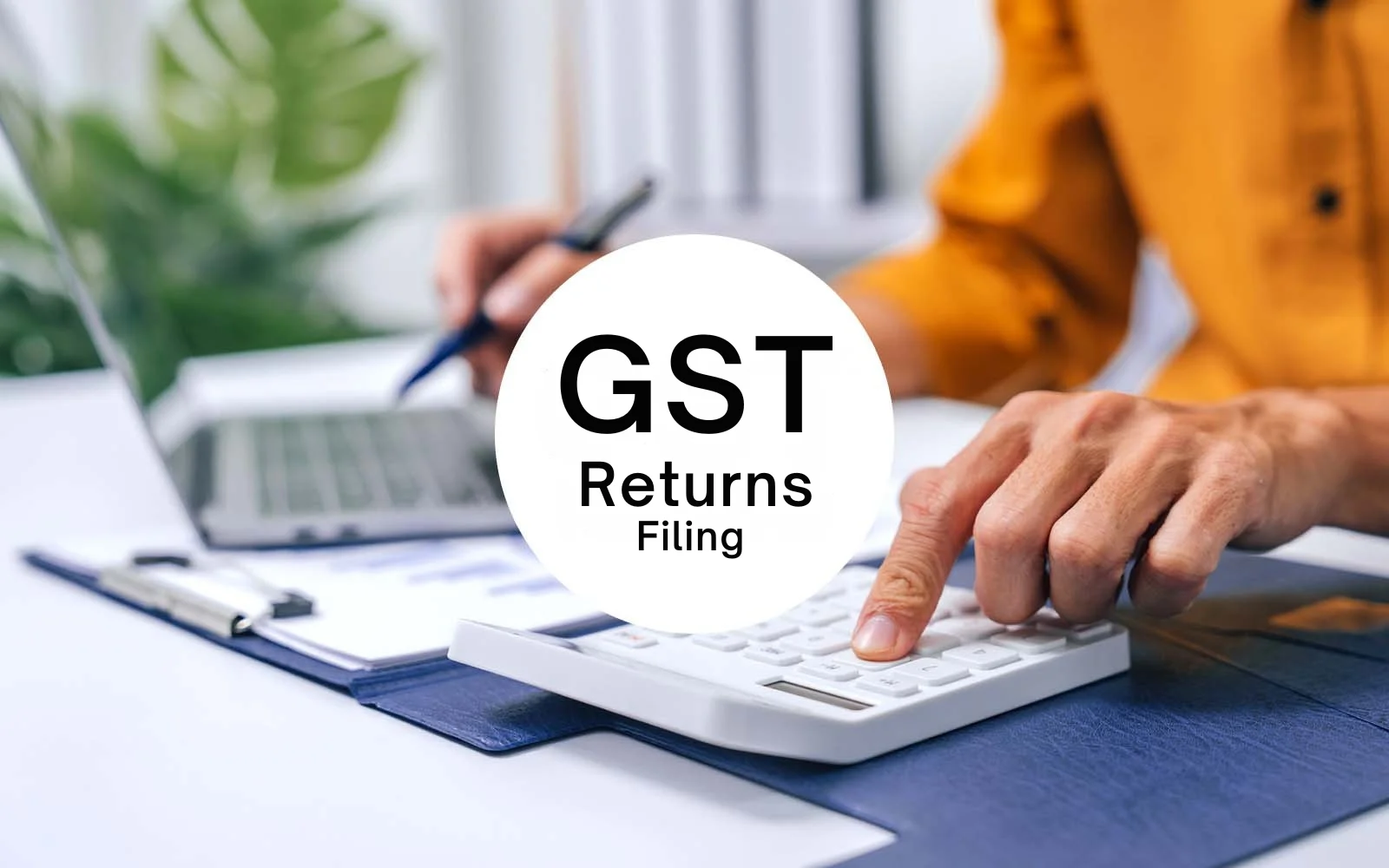
GST Return Filing in Chennai
Chennai is one of India's largest business and industrial centers, home to automobile manufacturing, IT services, electronics production, logistics operations, export businesses, healthcare institutions, engineering companies, and rapidly growing startups. Businesses that already hold a GSTIN must file GST returns regularly to remain compliant and avoid penalties, notices, or disruptions to Input Tax Credit claims.
Legal Papers India assists businesses in Chennai through a remote compliance support model. Whether you operate a manufacturing unit in Sriperumbudur, a software company in OMR, a trading business in Parrys Corner, or an e-commerce venture serving customers across India, timely and accurate GST return filing remains an essential compliance responsibility.
GST return filing is the process through which registered taxpayers report sales, purchases, tax liabilities, and eligible Input Tax Credit to the GST authorities. For businesses in Chennai, regular filing is not merely a compliance obligation; it directly impacts vendor relationships, tax credits, and business continuity.
Legal Papers India provides GST compliance support remotely. This page does not represent a physical office in Chennai. Consultation, document review, reconciliation support, and filing guidance are delivered digitally through a Pan-India service framework.
Expert Observation: Many businesses focus on filing deadlines while overlooking reconciliation. In practice, reconciliation errors often create larger compliance problems than delayed filings.
Why Businesses in Chennai Prioritise GST Return Filing?
GST return filing is particularly important in Chennai because many businesses operate within complex supply chains involving manufacturers, exporters, IT companies, logistics providers, and large corporate buyers. Compliance lapses can affect vendor approvals, procurement opportunities, and Input Tax Credit availability.
Common business reasons for maintaining timely GST compliance include:
- Preserving Input Tax Credit eligibility.
- Avoiding penalties and notices.
- Supporting vendor onboarding requirements.
- Maintaining procurement eligibility.
- Improving financial reporting accuracy.
- Reducing compliance-related disruptions.
Chennai Business Environment and GST Compliance
| Industry Sector |
Common GST Filing Challenge |
|
Manufacturing |
ITC reconciliation |
|
IT Services |
Multi-state invoicing |
|
Export Businesses |
Tax adjustments |
|
E-commerce Sellers |
Large transaction volumes |
|
Logistics Firms |
Documentation consistency |
|
Contractors |
Project-based tax treatment |
Compliance Insight: Chennai's manufacturing ecosystem often generates large invoice volumes, making monthly reconciliation as important as return filing itself.
Who Needs GST Return Filing Support in Chennai?
Every registered taxpayer holding an active GSTIN must evaluate applicable return filing requirements based on turnover, business model, and registration category.
Manufacturers
Manufacturing businesses often handle substantial procurement volumes and therefore require accurate Input Tax Credit reconciliation.
Traders and Wholesalers
Businesses dealing with multiple suppliers frequently face invoice matching challenges.
Service Providers
Consultants, IT firms, agencies, and professional service providers require accurate reporting of taxable services.
E-Commerce Sellers
Marketplace sales frequently generate complex reporting requirements due to transaction volume and multiple states of supply.
Exporters
Export-oriented businesses must coordinate GST compliance with broader trade compliance obligations.
Contractors
Construction and infrastructure businesses often manage project-specific tax considerations requiring careful reporting.
Expert Recommendation: Businesses should not view GST returns as a filing task alone. Regular reconciliation is equally important for long-term compliance health.
GST Return Filing Process Explained
GST return filing involves collecting transaction data, reconciling records, verifying tax positions, and submitting applicable returns through the GST portal.
| Step |
Purpose |
Common Mistake |
Typical Timeline |
Expert Tip |
|
Data Collection |
Gather invoices and records |
Missing invoices |
Monthly |
Organize records regularly |
|
Reconciliation |
Match purchases and sales |
Ignoring mismatches |
Ongoing |
Review ITC regularly |
|
Return Preparation |
Calculate liabilities |
Incorrect classification |
1–2 Days |
Verify tax treatment |
|
GST Portal Filing |
Submit return |
Filing incomplete data |
Filing Period |
Cross-check values |
|
Verification |
Review submitted details |
Ignoring errors |
Immediate |
Verify acknowledgement |
|
Record Retention |
Maintain compliance trail |
Poor documentation |
Continuous |
Archive systematically |
Common Filing Mistakes
- Missing supplier invoices
- Incorrect tax rate application
- Unreconciled Input Tax Credit
- Delayed document collection
- Classification errors
Compliance Warning: Businesses frequently assume accounting software automatically resolves reconciliation issues. Manual review remains important.
Documents Required for GST Return Filing in Chennai
The exact documentation depends on business type, transaction volume, and filing category.
| Business Type |
Common Documents Required |
|
Proprietorship |
Sales Invoices, Purchase Records |
|
Partnership Firm |
GST Reports, Accounting Records |
|
LLP |
Tax Invoices, Books of Accounts |
|
Private Limited Company |
GST Reports, Financial Records |
|
OPC |
Sales & Purchase Documentation |
|
Retail Business |
Invoice Data, Tax Summaries |
|
Manufacturer |
Procurement & Sales Records |
|
Exporter |
Export Documents, GST Records |
|
E-commerce Seller |
Marketplace Reports, Tax Data |
Why Documentation Requirements Differ
Different business models generate different transaction patterns. Manufacturers focus heavily on Input Tax Credit, while service providers often focus on invoice reporting and tax liability calculations.
Common Mistake: Waiting until the filing deadline to gather records often increases the risk of reconciliation errors.
Benefits of Professional GST Return Filing Assistance
GST compliance involves more than meeting deadlines. Proper filing supports tax accuracy, financial visibility, and regulatory preparedness.
Operational Benefits
- Better transaction reconciliation
- Reduced reporting errors
- Improved documentation practices
- Consistent compliance tracking
Legal Benefits
- Reduced risk of notices
- Better audit preparedness
- Improved compliance consistency
- Accurate return submissions
Business Growth Benefits
- Improved vendor confidence
- Better procurement eligibility
- Stronger financial reporting
- Reduced compliance interruptions
Platform Benefits
- GST portal guidance
- Reconciliation support
- Filing assistance
- Clarification handling
Future Compliance Benefits
- Easier annual return preparation
- Better ITC management
- Reduced correction requirements
- Stronger compliance records
Decision Framework: Businesses should prioritize accuracy and reconciliation quality over simply meeting filing deadlines.
Why Clients in Chennai Trust Legal Papers India?
Businesses often look for practical compliance guidance rather than generic filing assistance. GST returns influence tax credits, vendor relationships, and future compliance obligations.
Clients value:
- Structured reconciliation review
- Transparent communication
- Remote consultation flexibility
- Practical compliance recommendations
- Support across multiple registrations
- Ongoing compliance awareness
Our Compliance Approach
- Document review before filing
- Reconciliation-focused support
- Compliance-oriented guidance
- Assistance with related registrations
Practical Observation: Most GST notices originate from data mismatches rather than filing itself. Early reconciliation often prevents avoidable complications. Learn More About Us
GST Return Filing Cost & Timeline in Chennai
The cost of GST compliance support varies according to business complexity, transaction volume, filing frequency, and reconciliation requirements.
Factors Influencing Cost
- Number of monthly transactions
- Filing frequency
- Reconciliation complexity
- Industry-specific requirements
- Additional compliance support
Timeline Considerations
- Document readiness
- Invoice reconciliation
- Transaction volume
- Internal record quality
- Clarification requirements
Common Delay Factors
- Missing purchase invoices
- Unreconciled ITC claims
- Incomplete accounting records
- Incorrect tax classifications
Expert Recommendation: Maintaining monthly records significantly reduces filing complexity and year-end compliance burdens.
Frequently Asked Questions
1. Is GST return filing mandatory if there are no sales?
In many situations, registered taxpayers may still need to file applicable GST returns even when there is no business activity. Filing obligations depend on the registration category and applicable return requirements.
2. How often should businesses file GST returns?
The frequency depends on turnover, registration category, and the applicable GST scheme. Some taxpayers file monthly while others may have quarterly obligations.
3. What happens if GST returns are filed late?
Late filing may result in penalties, interest implications, compliance notices, and restrictions affecting future return filing processes.
4. Can manufacturers in Chennai claim Input Tax Credit without proper reconciliation?
Input Tax Credit claims should be supported by proper documentation and reconciliation. Unmatched records may create compliance risks during reviews.
5. How much does GST return filing cost in Chennai?
Costs depend on transaction volume, reconciliation requirements, industry complexity, and filing frequency. Businesses with higher invoice volumes typically require more detailed review.
6. Do software companies need monthly GST compliance?
Many IT and SaaS businesses generate recurring invoices and therefore require regular GST compliance monitoring and filing support.
7. Can errors in previously filed returns be corrected?
Certain corrections may be possible through applicable GST procedures, subject to regulatory rules and timelines.
8. Why do exporters require careful GST compliance?
Export businesses often manage refunds, zero-rated supplies, and trade-related compliance obligations, making accurate return filing especially important.
9. What is the most common GST filing mistake?
Failure to reconcile purchase records and Input Tax Credit data remains one of the most common compliance issues.
10. Do e-commerce sellers have different GST compliance requirements?
E-commerce businesses often deal with marketplace reporting, higher transaction volumes, and multi-state transactions, which can increase compliance complexity.
Simplify Compliance with Legal Papers India
GST return filing affects more than regulatory compliance. It impacts tax credits, vendor relationships, procurement eligibility, and financial reporting quality.
Whether you operate a manufacturing unit, IT company, logistics business, trading enterprise, consultancy firm, or e-commerce operation in Chennai, Legal Papers India can assist with reconciliation review, compliance guidance, and GST return filing support through a remote consultation model. Understand your obligations, organize your records, and maintain stronger compliance practices with professional guidance. Contact Us
Legal Papers India Business Solution Private Limited, F 2, Sector 8, Noida, Uttar Pradesh, 201301
Monday to Saturday 10:00 AM to 06:30 PM





Please submit all general enquiries in the contact form below and we look forward to hearing from you soon.


Captcha:













Or sign in with:
LOGIN WITH GOOGLESign up for early Sale access plus tailored new arrivals, trends and promotions. To opt out, click unsubscribe in our emails.
Forgot your password? No worries! Enter your registered email to receive a link and securely reset it in just a few steps.