
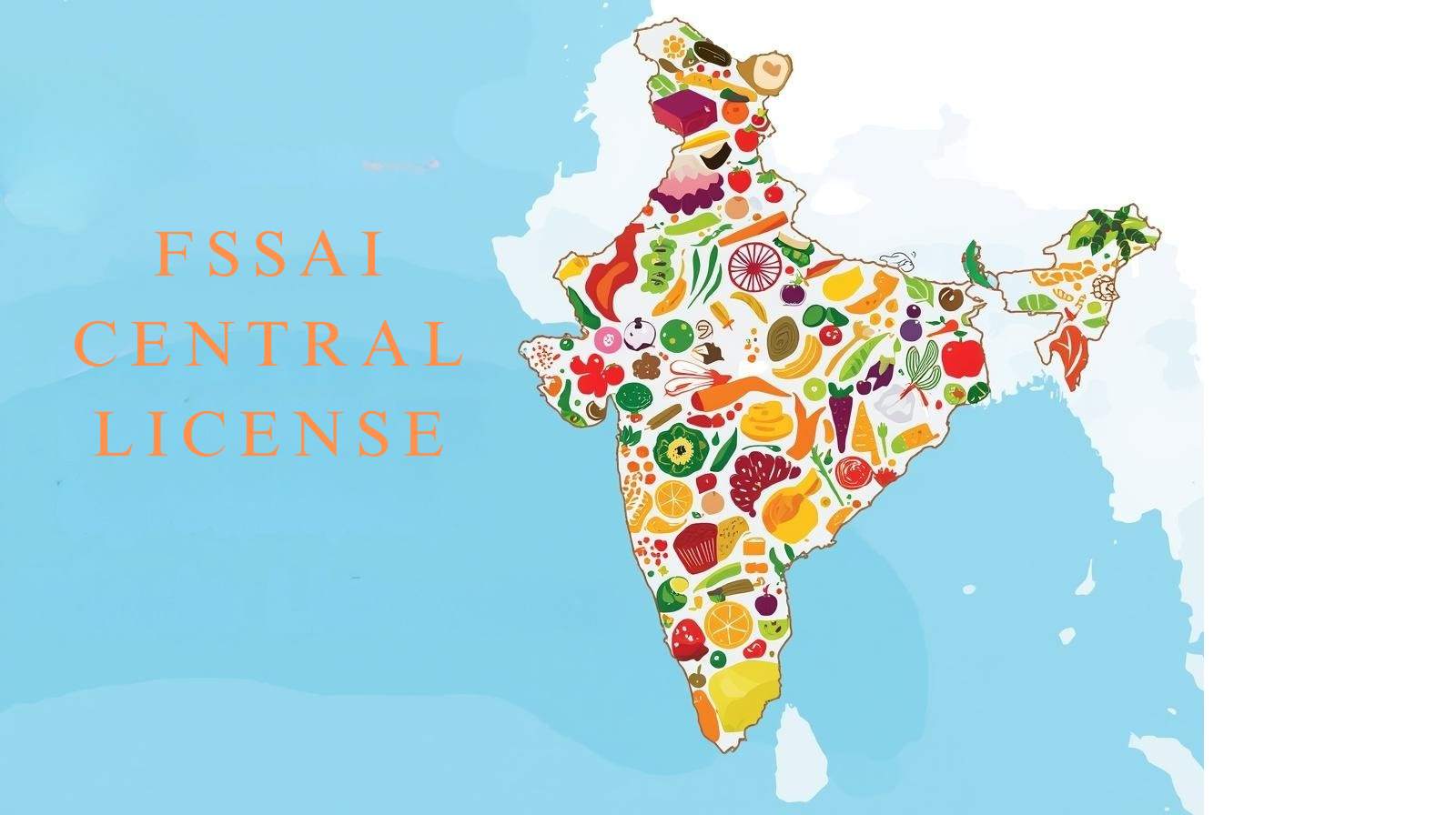
FSSAI Central License Registration in Hyderabad
FSSAI Central License Registration in Hyderabad is required when a Food Business Operator falls under the current Central Licensing Authority criteria based on turnover or a specially regulated Kind of Business. Legal Papers India can coordinate eligibility review, documentation and FoSCoS filing remotely from Delhi and Noida without representing an unverified Hyderabad office.
The uploaded brief specifically requires remote Pan-India service positioning and prohibits false local-office signals.
But turnover alone is not enough. The revised FoSCoS eligibility framework continues to place certain activities—such as food importing, e-commerce and merchant-exporting—under Central licensing without a turnover restriction.
Decision guideline: Identify the exact Kind of Business first. Then check whether the business falls under the general turnover rule or a special Central category.
Why Hyderabad’s Food Ecosystem Creates Different Licensing Decisions
Hyderabad sits within a broader Telangana food ecosystem covering processed foods, dairy, beverages, meat and poultry, cold chains, warehousing, FMCG distribution and export-oriented operations. This creates Central FSSAI questions around manufacturing scale, online food platforms, imported ingredients, multi-location restaurant groups and food businesses expanding beyond Telangana.
Telangana identifies food processing as a major investment sector, including grain and pulse milling, poultry and meat processing, cold chain, seed processing, horticulture and fisheries. The state also highlights multiple major food parks and integrated cold-chain projects, while logistics infrastructure around Hyderabad supports warehousing and distribution. (Telangana Invest)
This produces practical Hyderabad licensing scenarios:
| Hyderabad Business Situation |
Central Licence Question |
|
Large packaged-food company |
Has turnover crossed ₹50 crore? |
|
Food importer |
Central License regardless of turnover? |
|
Online food marketplace |
Is e-commerce activity centrally licensed? |
|
Restaurant group expanding to another state |
Does head-office Central licensing apply? |
|
Food warehouse/distributor |
Which current turnover or activity criterion applies? |
|
Export-oriented food company |
Is it a merchant exporter or manufacturer-exporter? |
|
Large cloud-kitchen network |
Are multiple premises correctly licensed? |
Common mistake: Assuming that one licence at the corporate office automatically covers kitchens, warehouses or manufacturing premises.
Industry-specific recommendation: Hyderabad food groups expanding through cloud kitchens or dark stores should map each operating location before filing rather than treating the brand as one premises.
Which Hyderabad FBOs Should Review Central Licensing Now?
A Central FSSAI License in Hyderabad may be relevant to FBOs above the revised Central threshold and to businesses whose activity itself falls under Central jurisdiction. Importers, e-commerce platforms and merchant-exporters require particular attention because they can remain Central categories irrespective of the general ₹50 crore turnover benchmark.
Typical applicants include:
- Large food manufacturers
- Food processing companies
- Food importers
- Merchant-exporters
- E-commerce food platforms
- Packaged-food brands
- Large distributors and wholesalers
- Multi-state restaurant businesses
- Cloud-kitchen groups
- Food warehousing businesses
- Institutional food suppliers
- Multi-state FBO head offices
FoSCoS's updated eligibility framework specifically identifies importers and e-commerce businesses as Central License categories without a turnover restriction.
Multi-State Businesses Need Premises-Level Planning
A Hyderabad company may have its registered office in the city, a processing unit outside Hyderabad and restaurants or warehouses in other states. Licensing should therefore be mapped around actual premises and business activities.
Overlooked requirement: The head-office Central License is an organisational requirement; it should not automatically be interpreted as replacing the licence required for every operating location.
FSSAI Central License Online in Hyderabad – Practical FoSCoS Workflow
FSSAI Central License Online in Hyderabad is filed through FoSCoS, but accurate preparation before submission is more important than the portal entry itself. The business should confirm its current eligibility, Kind of Business, premises, food categories and technical documents before completing Form B so the issued licence matches actual operations.
A practical process is:
| Stage |
What to Verify |
Frequent Problem |
|
Eligibility |
Central vs State under current rules |
Using pre-2026 thresholds |
|
Kind of Business |
Manufacturing, importer, e-commerce, etc. |
Selecting an approximate category |
|
Premises |
Exact location being licensed |
Mixing head office and operational unit |
|
Products |
Food categories actually handled |
Missing planned products |
|
Documentation |
KoB-specific evidence |
Using one generic checklist |
|
Form B |
Applicant and activity information |
Address/entity mismatch |
|
Scrutiny |
Authority questions |
Slow or unsupported responses |
|
Final Licence |
Approved KoB and product scope |
Not checking issued particulars |
FoSCoS's Central License documentation requires Form B, and manufacturing/processing applicants can also need a layout plan, machinery list with installed capacity and food-category information.
Approval-delay reason: Manufacturing applications often stall internally because production calls a product one thing, quality uses another food category and accounts maintains a third description.
Expert tip: Prepare a single product-to-FSSAI-category sheet before filing.
Documents Required for Central Food License in Hyderabad
Documents for a Central Food License in Hyderabad vary considerably by applicant type. A packaged-food manufacturer requires technical production information that an importer does not, while an importer needs IEC-related records and an e-commerce business has a different operational profile. The document pack should therefore follow the selected Kind of Business.
| Applicant Type |
Important Documents / Data |
|
Proprietorship |
Identity, entity and premises information |
|
Partnership |
Partnership details, partners and premises records |
|
LLP |
Incorporation and designated-partner details |
|
Private Limited Company |
Incorporation, directors, authorised signatory information |
|
OPC |
Incorporation and authorised-person details |
|
Manufacturer |
Layout, machinery, capacity, food categories and premises information |
|
Importer |
IEC, entity records and imported-food activity details |
|
Restaurant/Cloud Kitchen |
Premises and food-service activity information |
|
E-commerce FBO |
Platform and food-business activity details |
FoSCoS's current Central checklist specifically references a processing-unit layout, list of machinery/equipment with installed capacity, management details and list of food categories for manufacturing businesses.
FoSCoS also states that the person supervising production should hold an appropriate science, food technology, dairy, microbiology, hotel-management or other relevant qualification.
Common mistake: Uploading incorporation documents perfectly while machinery capacity, product scope or premises information is incomplete.
Why Professional Review Matters More After the 2026 Changes
Professional FSSAI assistance is most valuable when it answers whether Central licensing is actually required under the current rules and whether the proposed licence scope matches the business model. The April 2026 reforms make older compliance checklists particularly risky because threshold, validity and fee information found online may now be outdated.
A useful professional review should examine:
- Current licence category
- Special Central KoB exceptions
- Premises structure
- Food-product categories
- Manufacturing documentation
- Import/export status
- Multi-state operations
- FoSCoS observations
- Future modifications
The buyer should also check whether the consultant is using the current 2026 rules, not legacy information.
Buyer hesitation point: Before paying for an application, ask: “Why exactly do we need Central rather than State licensing under the rules effective 1 April 2026?”
A consultant should be able to answer that from the business facts.
Cost, Validity and Processing Expectations in Hyderabad
The government fee for a Central FSSAI License is currently ₹7,500 under FSSAI's revised 2026 fee structure. Professional charges depend on business complexity, documents, products and scrutiny support. Licences now have perpetual validity, so older advice describing routine annual or five-year renewal should not be treated as current.
FSSAI's clarification states that perpetual validity means licences and registrations remain valid unless suspended, cancelled or surrendered, and businesses are not required to renew them periodically.
One technical issue is worth noting: some FoSCoS public pages still show legacy text referring to a maximum five-year period and renewal fees. The later 2026 FSSAI order is therefore the stronger authority for current validity.
What Changes Professional Cost?
- Manufacturing versus non-manufacturing activity
- Number of food categories
- Import/export operations
- Multiple premises
- Multi-state structure
- Document gaps
- Authority queries
- Modification requirements
Timeline warning: Do not rely on guaranteed approval dates. Authority scrutiny and inspection requirements can vary by activity and application quality.
Frequently Asked Questions
1. What is the Central FSSAI License turnover limit in Hyderabad in 2026?
The general Central License threshold is annual turnover above ₹50 crore. State licensing covers the general band above ₹1.5 crore and up to ₹50 crore. Some activities—including food importing and e-commerce—remain Central categories irrespective of turnover.
2. Does a Hyderabad cloud-kitchen chain automatically need a Central License?
Not merely because it operates as a cloud-kitchen brand. The relevant Kind of Business, turnover and premises structure must be reviewed. If the company operates in several states, head-office requirements also become relevant. Each kitchen location should be assessed separately instead of assuming the corporate licence covers every operating premises.
3. Does a food importer in Hyderabad need a Central FSSAI License below ₹50 crore?
Yes. FoSCoS's revised eligibility criteria continue to place food importers under Central licensing without a turnover restriction. The ₹50 crore threshold is therefore not a universal exemption. Importers should prepare IEC and business information appropriate to the imported-food activity before applying.
4. Does an e-commerce food platform in Hyderabad require Central licensing?
FoSCoS currently treats e-commerce food businesses as a Central License category without a turnover threshold. A platform should therefore identify whether its business model falls within the FoSCoS e-commerce Kind of Business rather than applying the general State/Central turnover bands mechanically.
5. Is the old ₹20 crore Central License threshold still valid?
Not as the current general turnover threshold for new applications. FSSAI's 2026 amendment changed the general Central threshold to above ₹50 crore from 1 April 2026. Businesses should be cautious with older articles that still refer to ₹20 crore because those may not reflect the present licensing framework.
6. Does a Central FSSAI License in Hyderabad still require renewal?
No routine periodic renewal is required under FSSAI's 2026 perpetual-validity reform. A licence remains valid unless suspended, cancelled or surrendered, although the FBO must continue meeting food-safety, hygiene and other statutory obligations. Some older FoSCoS pages still contain legacy renewal wording, so the newer FSSAI order should guide current compliance.
7. What is the current government fee for Central FSSAI License?
FSSAI's updated 2026 fee structure lists ₹7,500 for a Central Licence. Professional consultancy charges are separate and can vary according to manufacturing complexity, products, import/export activity, number of premises, document preparation and whether scrutiny or modification support is included.
8. Can one Central License cover a Hyderabad head office and food factory?
The head office and operational premises should not automatically be treated as one licensing unit. A multi-state FBO may require a Central License for its head office while manufacturing units, kitchens, warehouses or other locations need their own licence or registration according to the applicable Kind of Business and eligibility.
9. What documents cause the most problems for Hyderabad food manufacturers?
Manufacturers commonly encounter issues where their layout plan, machinery capacity, food categories or entity information do not match the real operation. FoSCoS specifically asks manufacturing applicants for technical information including the processing-unit layout, machinery/equipment details and proposed food categories, so these should be reconciled before Form B is filed.
10. Can Legal Papers India assist without a Hyderabad office?
Yes. The supplied brief identifies Legal Papers India's operating locations as Delhi and Noida and specifies a remote Pan-India documentation and consultation model unless a physical city office is verified. Hyderabad should therefore be represented as an area served, not as an unverified branch location.
Review Your FSSAI Category Before Your Next Expansion
Before applying for FSSAI Central License Registration in Hyderabad, confirm whether your business actually falls under Central licensing under the rules effective from April 2026. Legal Papers India can remotely review your Kind of Business, turnover, premises, product categories and documents so that the FoSCoS application reflects the real operating structure.
For the initial assessment, prepare your business constitution, premises details, turnover, food categories, manufacturing information, IEC where applicable, existing FSSAI licences and details of other locations or states in which the business operates.
The practical sequence is:
Check current eligibility → identify KoB → map premises → organize documents → file through FoSCoS → respond to scrutiny → keep the licence scope updated
Get Trusted Compliance Support from Legal Papers India. Contact Us
Legal Papers India Business Solution Private Limited, F 2, Sector 8, Noida, Uttar Pradesh, 201301
Monday to Saturday 10:00 AM to 06:30 PM





Please submit all general enquiries in the contact form below and we look forward to hearing from you soon.


Captcha:







Or sign in with:
LOGIN WITH GOOGLESign up for early Sale access plus tailored new arrivals, trends and promotions. To opt out, click unsubscribe in our emails.
Forgot your password? No worries! Enter your registered email to receive a link and securely reset it in just a few steps.