
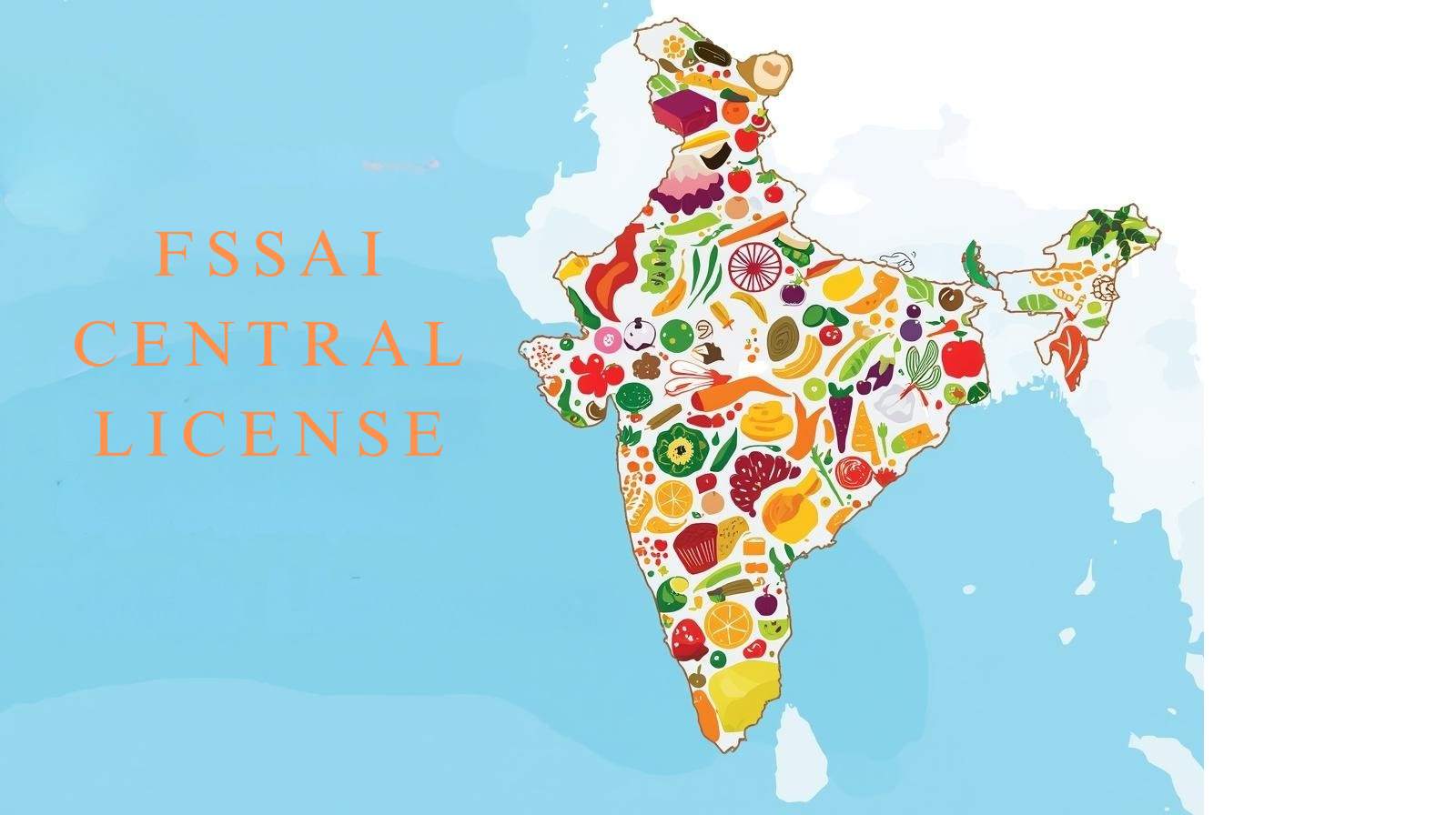
FSSAI Central License in Chandigarh
Chandigarh occupies a unique position in North India. As the capital of two states, a major administrative center, and a growing hub for food brands, hospitality groups, healthcare institutions, food import-export operations, and regional distribution networks, the city supports numerous food businesses that operate beyond a single state or handle activities requiring higher levels of regulatory oversight. For many such enterprises, evaluating the need for an FSSAI Central License becomes a critical compliance decision.
An FSSAI Central License in Chandigarh is generally relevant for food businesses whose scale, operational structure, interstate activities, import-export involvement, or regulatory classification falls within central licensing requirements prescribed under food safety regulations.
Legal Papers India operates from Delhi and Noida and assists businesses across India through a remote consultation and documentation model. Businesses in Chandigarh can complete licensing-related formalities through digital consultations, compliance reviews, documentation assessments, and application support without requiring a physical local office.
Expert Observation:
Many growing food businesses focus on revenue growth while overlooking whether their operational footprint has already moved beyond the scope of registration or state-level licensing.
Compliance Tip:
Before expanding into interstate distribution, exports, large-scale manufacturing, or national retail supply chains, businesses should review whether central licensing requirements apply.
Why Chandigarh-Based Enterprises Commonly Evaluate Central Licensing?
Businesses in Chandigarh often serve larger markets extending beyond the city itself. Many food operators manage supply networks covering Punjab, Haryana, Himachal Pradesh, Delhi NCR, Jammu & Kashmir, and other northern states.
Organizations frequently assess central licensing when:
- Expanding interstate food distribution
- Entering export markets
- Establishing large food processing facilities
- Operating national restaurant brands
- Managing large food warehouses
- Supplying central government institutions
- Selling through major e-commerce food platforms
Common Compliance Challenge:
Businesses frequently assume expansion into multiple states automatically permits continuation under an existing license category without reassessing regulatory requirements.
Industry-Specific Recommendation:
Food brands planning retail expansion into northern India should evaluate licensing requirements before onboarding distributors or national retail chains.
Practical Example:
A packaged food manufacturer headquartered in Chandigarh may initially distribute products regionally but later secure supermarket listings across multiple states, creating different compliance obligations.
Which Businesses Commonly Need an FSSAI Central License in Chandigarh?
The requirement depends on operational activities, regulatory classification, and business scale rather than business labels alone.
Food Importers and Exporters
Businesses engaged in international food trade frequently evaluate central licensing requirements due to regulatory obligations associated with imports and exports.
Large Food Manufacturers
Manufacturing facilities handling substantial production volumes often review central licensing applicability as operations scale.
Multi-State Food Brands
Food businesses distributing products across several states commonly assess whether central licensing is appropriate for their operational model.
Large Hotel Chains and Hospitality Groups
Hospitality businesses operating multiple locations, central kitchens, or extensive food service infrastructure frequently evaluate licensing obligations.
Food Warehousing and Logistics Operators
Large storage facilities handling food inventory across multiple regions often review central licensing requirements.
E-Commerce Food Brands
Digital-first food businesses serving customers across multiple states may require a licensing structure aligned with interstate operations.
Buyer Hesitation Point:
Many businesses understand they need food licensing but remain uncertain about the difference between state licensing and central licensing.
Expert Recommendation:
Assess operational reach, supply chain structure, and regulatory classification before making licensing decisions.
Central Licensing Process Explained
The central licensing process focuses on operational assessment, documentation readiness, and regulatory alignment before submission.
| Stage |
Purpose |
Common Mistake |
Expected Timeline |
Expert Guidance |
|
Operational Assessment |
Determine licensing applicability |
Choosing an incorrect category |
1–2 Days |
Evaluate future expansion plans |
|
Documentation Review |
Verify supporting records |
Missing infrastructure details |
2–4 Days |
Organize operational documents early |
|
Application Preparation |
Compile filing requirements |
Incomplete activity disclosures |
1–3 Days |
Clearly define business activities |
|
Application Submission |
File licensing request |
Inaccurate information |
Authority dependent |
Conduct a detailed review before submission |
|
Regulatory Clarifications |
Address observations |
Delayed responses |
Variable |
Monitor communications closely |
|
License Issuance |
Receive approval |
Ignoring future compliance obligations |
Variable |
Establish compliance tracking systems |
Approval Delay Reason:
Many applications face delays because businesses inadequately describe warehousing, interstate distribution, manufacturing infrastructure, or import-export activities.
Compliance Warning:
Businesses expecting future interstate growth should consider long-term compliance requirements during initial licensing decisions.
Documents Required for FSSAI Central License in Chandigarh
Documentation requirements vary depending on the business structure and food-related activities.
| Business Type |
Common Documents Required |
|
Proprietorship |
PAN, Aadhaar, address proof |
|
Partnership Firm |
Partnership deed and partner information |
|
LLP |
Incorporation documents and designated partner details |
|
Private Limited Company |
Company incorporation records and director documents |
|
OPC |
Incorporation records and proprietor details |
|
Restaurant Chain |
Premises and operational records |
|
Food Manufacturer |
Manufacturing facility documentation |
|
Food Importer |
Trade and import-related records |
|
Food Exporter |
Export-related operational documentation |
Additional documentation may depend on:
- Import-export activities
- Product categories
- Manufacturing infrastructure
- Warehousing facilities
- Interstate distribution
- Food processing operations
Overlooked Requirement:
Businesses often organize ownership documents but fail to prepare operational records demonstrating supply chain activities.
Expert Recommendation:
Review infrastructure-related documentation before filing to avoid avoidable regulatory observations.
Benefits of Choosing Professional Assistance
Central licensing decisions influence regulatory preparedness, business expansion opportunities, and operational continuity.
Operational Benefits
- Better assessment of licensing applicability
- Improved documentation readiness
- Reduced filing inconsistencies
- Better preparation for regulatory reviews
Legal Benefits
- Improved understanding of licensing obligations
- Reduced classification risks
- Better awareness of compliance responsibilities
- Stronger regulatory preparedness
Business Expansion Benefits
- Better readiness for interstate operations
- Improved retail onboarding opportunities
- Stronger compliance documentation
- Better support for national growth strategies
Consultation Benefits
- Structured compliance discussions
- Organized documentation reviews
- Remote consultation model
- Better preparation before submission
Future Compliance Benefits
- Easier renewal planning
- Better modification management
- Improved compliance monitoring
- Stronger long-term record maintenance
Practical Observation:
Businesses that align licensing decisions with future growth strategies often avoid regulatory complications during expansion phases.
Why Businesses in Chandigarh Consult Legal Papers India?
Central licensing often requires understanding how business operations interact with regulatory requirements rather than merely completing application forms.
Legal Papers India supports businesses through:
- Licensing assessments
- Documentation reviews
- Application preparation guidance
- Compliance consultations
- Renewal assistance
- Modification support
Related compliance services frequently reviewed alongside central licensing include:
- FSSAI Registration
- FSSAI State License
- FSSAI Renewal
- FSSAI Return Filing
- GST Registration
- IEC Registration
- Trademark Registration
- MSME Registration
Trust Factor:
The consultation process focuses on operational realities and future growth plans before discussing licensing pathways.
Decision Framework:
The objective is to select a compliance structure aligned with both current business activities and long-term expansion goals. Get To Know Us About Us
Cost & Timeline for FSSAI Central License in Chandigarh
The overall cost depends on operational complexity, infrastructure requirements, documentation readiness, and regulatory scope rather than a fixed standard fee.
Factors Affecting Cost
|
Cost Factor |
Impact |
|
Manufacturing Activities |
High |
|
Interstate Distribution |
High |
|
Import-Export Operations |
High |
|
Warehousing Infrastructure |
Moderate |
|
Documentation Preparedness |
Moderate |
|
Future Modifications |
Variable |
Factors Affecting Processing Time
- Completeness of documentation
- Accuracy of operational disclosures
- Regulatory review timelines
- Clarification requirements
- Complexity of business activities
Practical Observation:
Applications supported by detailed operational records generally move through review stages more efficiently than those requiring repeated clarifications.
Frequently Asked Questions
1. Why do food exporters in Chandigarh frequently require central licensing reviews?
Businesses engaged in export activities often operate under regulatory requirements that differ from local food businesses. Reviewing central licensing obligations helps ensure compliance before export expansion.
2. Can a Chandigarh-based food manufacturer require a Central Food License?
Yes. Depending on production capacity, operational scale, regulatory classification, and distribution activities, many manufacturing businesses evaluate central licensing requirements.
3. Is an FSSAI Central License necessary for interstate food distribution?
Businesses supplying products across multiple states frequently review central licensing obligations to ensure their compliance framework aligns with operational realities.
4. What causes delays during central licensing applications?
Common reasons include incomplete operational disclosures, inadequate infrastructure documentation, inconsistent records, and delayed responses to authority observations.
5. Can hotel chains require central licensing?
Large hospitality groups operating multiple locations, centralized kitchens, or extensive food service operations often assess central licensing requirements.
6. How do e-commerce food brands evaluate licensing requirements?
Food brands selling products across multiple states through online channels frequently review whether central licensing aligns with their distribution model.
7. Can an existing license be modified later?
Yes. Changes involving ownership, operational scope, premises, product categories, or business structure may require modifications.
8. How often should businesses review licensing obligations?
A review is advisable whenever significant changes occur in manufacturing capacity, interstate distribution, warehousing infrastructure, or business expansion plans.
9. What documents are commonly required?
Identity records, incorporation documents, operational records, infrastructure documentation, and activity-specific records are commonly required.
10. Should future national expansion influence licensing decisions?
Absolutely. Businesses planning interstate growth, exports, larger facilities, or national distribution should consider future compliance requirements before selecting a licensing structure.
Before You Apply
Many businesses evaluating an FSSAI Central License in Chandigarh seek clarity regarding:
- Licensing applicability
- Documentation requirements
- Processing timelines
- Regulatory obligations
- Renewal responsibilities
- Future modifications
Addressing these considerations before filing often reduces avoidable delays and improves compliance planning.
Get Expert Consultation
If your food business is involved in interstate distribution, imports, exports, large-scale manufacturing, warehousing, hospitality operations, or national brand expansion, a licensing review can provide valuable clarity before major business decisions are made.
Legal Papers India assists food businesses across India through remote consultations, documentation reviews, licensing assessments, renewal support, and compliance planning.
Get Expert Consultation to discuss your operational model, licensing requirements, documentation readiness, and long-term compliance roadmap. Contact Us
Legal Papers India Business Solution Private Limited, F 2, Sector 8, Noida, Uttar Pradesh, 201301
Monday to Saturday 10:00 AM to 06:30 PM





Please submit all general enquiries in the contact form below and we look forward to hearing from you soon.


Captcha:

Or sign in with:
LOGIN WITH GOOGLESign up for early Sale access plus tailored new arrivals, trends and promotions. To opt out, click unsubscribe in our emails.
Forgot your password? No worries! Enter your registered email to receive a link and securely reset it in just a few steps.