
Sep 04, 2026
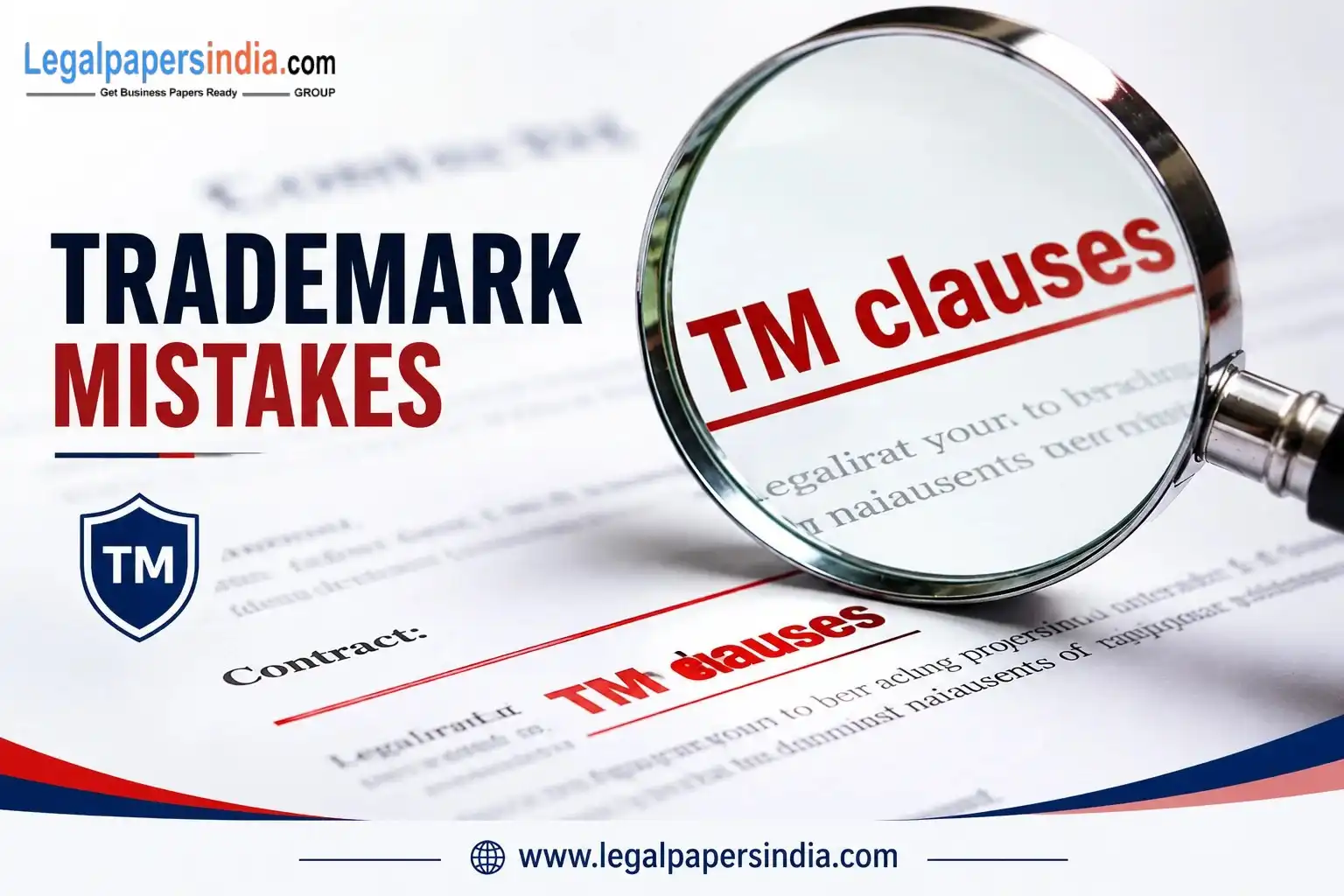
Trademark Mistakes That Quietly Derail Your Registration
What “Trademark Mistakes” Really Mean
Trademark mistakes are avoidable errors made during the process of selecting, applying for, or managing a trademark that can lead to objections, delays, rejection, or weak legal protection. These mistakes often stem from misunderstanding legal requirements, incomplete searches, or incorrect filing strategies.
A Familiar Situation
You’ve finally settled on a brand name. It sounds right, feels unique, and you’re ready to file.
Then a few months later, an objection arrives—or worse, silence followed by refusal.
This is where most people pause and think: “What did I miss?”
Trademark registration isn’t just about submitting an application. It’s about understanding how the system evaluates distinctiveness, similarity, and compliance. And most errors don’t happen because people are careless—they happen because the process appears simpler than it actually is.
Why These Mistakes Commonly Happen
A pattern shows up repeatedly:
- People assume name availability = registrability
- Online tools are mistaken for full legal searches
- Classification is treated as a formality
- The legal language in objections is misunderstood
- Filing is rushed without thinking long-term
In reality, trademark registration sits at the intersection of branding, law, and documentation. Missing even one layer can create complications later.
Where Things Typically Go
1. Assuming a Name Is Available Because It’s Not in Use
What This Mistake Actually Means
You pick a name because you don’t see it actively used in the market.
Why People Make This Mistake
Visual availability (Google search, domain availability) feels convincing.
What Happens If Ignored
Your application may face objections due to similarity with an already registered or pending mark.
How to Avoid It
- Conduct a proper trademark database search
- Look beyond exact matches—check phonetic and conceptual similarities
- Consider how examiners interpret “likelihood of confusion”
2. Choosing a Name That Is Too Generic or Descriptive
What This Mistake Actually Means
The name directly describes the product/service (e.g., “Fast Delivery Services”).
Why People Make This Mistake
Descriptive names feel intuitive and market-friendly.
What Happens If Ignored
The application may be refused under lack of distinctiveness provisions of the Trade Marks Act, 1999.
How to Avoid It
- Aim for coined, arbitrary, or suggestive words
- Avoid direct descriptors of quality, function, or category
- Test if your name can stand independently as a brand
3. Filing Under the Wrong Trademark Class
What This Mistake Actually Means
Selecting an incorrect class for your goods/services.
Why People Make This Mistake
The classification system (Nice Classification) isn’t always intuitive.
What Happens If Ignored
- Limited protection scope
- Potential inability to enforce rights later
How to Avoid It
- Understand your current and future business activities
- Map them carefully to correct classes
- Avoid copying competitor classifications blindly
4. Ignoring Similarity Instead of Exact Matching
What This Mistake Actually Means
You only check for identical names, not similar-sounding or visually similar ones.
Why People Make This Mistake
Search tools often highlight exact matches first.
What Happens If Ignored
Examiners assess confusion risk—not just duplication.
How to Avoid It
- Evaluate phonetic similarity
- Check spelling variations
- Consider how the mark sounds when spoken
5. Treating Objections as Rejections
What This Mistake Actually Means
Receiving an objection and assuming the application has failed.
Why People Make This Mistake
The legal language in examination reports can be intimidating.
What Happens If Ignored
Missed deadlines or improper responses can lead to abandonment.
How to Avoid It
- Understand that objections are part of the process
- Respond with structured legal reasoning
- Address each objection point clearly
6. Filing Without Clarity on Ownership
What This Mistake Actually Means
Incorrect applicant details (individual vs company vs partnership).
Why People Make This Mistake
Business structure may still be evolving during filing.
What Happens If Ignored
- Ownership disputes later
- Difficulty enforcing trademark rights
How to Avoid It
- Align trademark ownership with legal entity
- Ensure documentation reflects actual ownership
- Think long-term, not just immediate filing
7. Not Considering Future Expansion
What This Mistake Actually Means
Choosing a trademark that limits business growth.
Why People Make This Mistake
Focus is often on immediate offerings.
What Happens If Ignored
Rebranding may become necessary when expanding into new categories.
How to Avoid It
- Choose flexible brand names
- Avoid overly narrow identifiers
- Consider scalability from the beginning
Legal and Compliance Implications
Trademark mistakes don’t always lead to outright rejection. More often, they create friction:
- Examination delays
- Repeated objections
- Limited protection scope
- Increased risk of opposition
- Difficulty enforcing rights
The authority handling this process—Controller General of Patents, Designs and Trade Marks—evaluates applications based on structured legal criteria, not business intent.
Understanding that difference changes how you approach filing.
A Simple Preventive Checklist
Before filing, pause and verify:
- Has a comprehensive similarity search been done?
- Is the trademark distinctive—not descriptive?
- Are the correct classes selected?
- Is ownership clearly defined?
- Have future expansion possibilities been considered?
- Are you prepared to respond to objections if they arise?
What This Looks Like in Real Situations
- A startup chooses a catchy name—later finds it sounds similar to an existing registered mark → objection issued
- A service business files under the wrong class → struggles to enforce rights against competitors
- A founder files in personal name → complications arise when forming a company later
These aren’t rare exceptions. They’re patterns seen repeatedly.
When Professional Guidance Becomes Necessary
If your situation involves:
- Similar marks already existing
- Multiple business categories
- Brand expansion plans
- Received objections or notices
…it’s worth stepping beyond self-filing.
For structured guidance on the process itself, understanding the steps outlined in the trademark registration process can provide useful clarity before moving forward.
Frequently Asked Questions
1. Can a trademark be rejected after filing?
Yes. Applications can be objected to or refused if they lack distinctiveness, conflict with existing marks, or fail compliance requirements.
2. Is a basic online search enough before filing?
Not really. It helps initially, but deeper similarity analysis is necessary to avoid objections.
3. What happens if I ignore a trademark objection?
Failure to respond within the deadline can lead to abandonment of the application.
4. Can I change details after filing?
Some corrections are allowed, but major changes—especially ownership or mark identity—are not easily modified.
Final Protective Guidance
Trademark registration isn’t just a form submission—it’s a positioning decision with legal implications.
Most mistakes don’t feel like mistakes at the time. They feel like reasonable assumptions.
If you’re unsure at any stage, it’s better to clarify early than correct later. Understanding the process, anticipating risks, and approaching filing thoughtfully can save significant time and complications.
If you want to understand how experienced professionals approach these situations, you can learn more about the team behind the process on the About Us page.
Contact Legal Papers India for fast and reliable Trademark Mistake assistance. Our experts help with online filing, legal documentation, and business registration support.
Social Share: