

Sep 04, 2026
Who Should Register GST
“Do I really need GST, or can I wait?”
If you’re running a business or planning to start one, this question shows up sooner than expected: “Am I required to register for GST right now, or can I delay it?”
Some people register too early and add unnecessary compliance. Others delay—and then face penalties or blocked growth. The confusion usually isn’t about what GST is. It’s about whether you, in your current situation, actually need it.
Let’s clear that decision—practically, not theoretically.
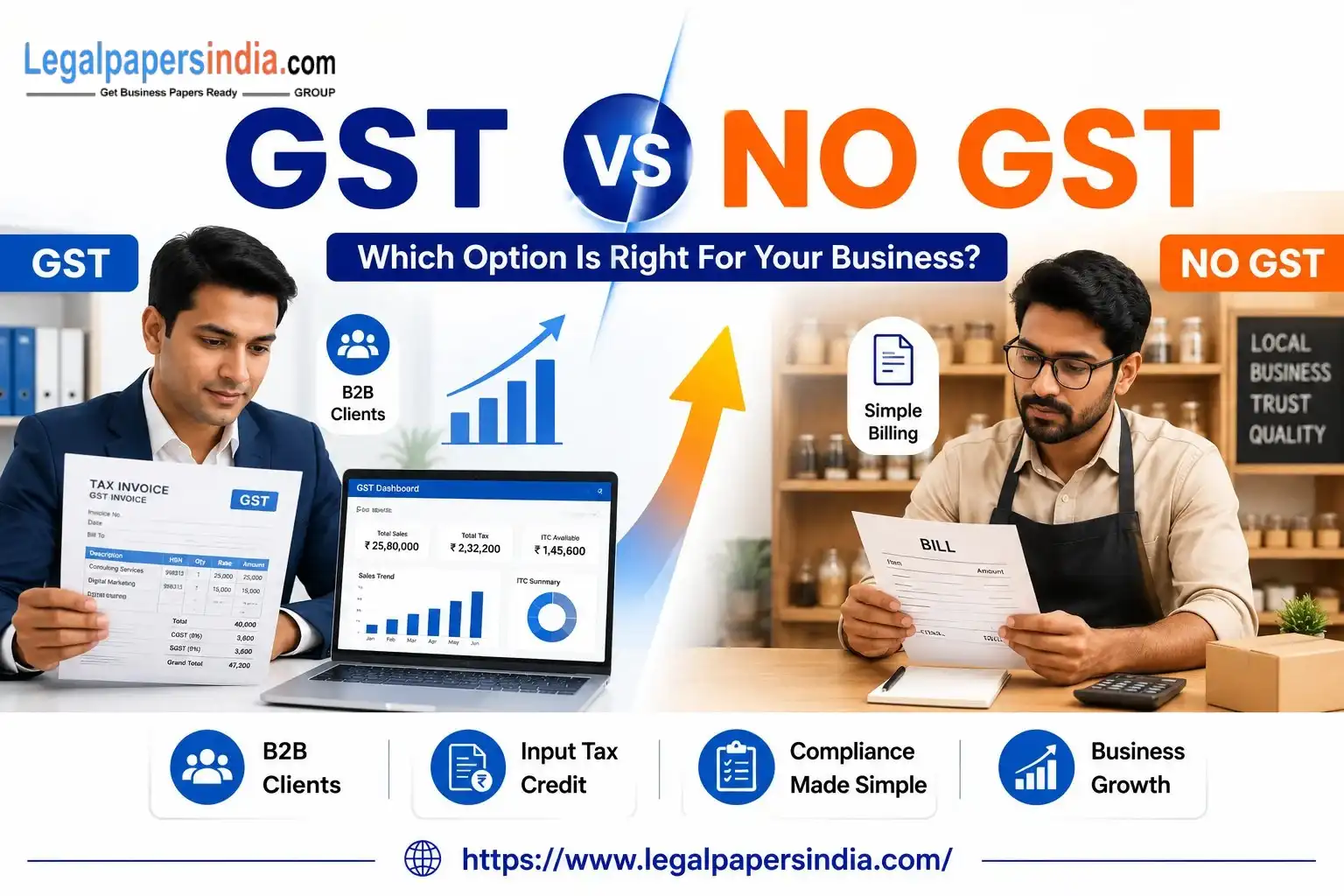
You should register for GST if your turnover crosses the threshold, you sell across states, operate online, or need input tax credit benefits. If your business is small, local, and below limits, you may not need immediate registration—but delaying without understanding triggers can restrict growth and cause compliance issues.
Who Should Choose This
There are clear situations where GST registration is not optional—or strongly recommended.
1. Your turnover crosses the threshold
- ₹40 lakh (goods)
- ₹20 lakh (services)
(Some states and special categories differ)
Once you cross this, registration under Goods and Services Tax (India) becomes mandatory.
2. You sell outside your state
Even if your turnover is low, interstate supply triggers compulsory registration.
This is where many small businesses get caught off guard.
3. You run an online business
Selling via platforms like marketplaces automatically requires GST registration—even with minimal sales.
4. You want input tax credit (ITC)
If you’re paying GST on purchases, registering allows you to claim credits and reduce your tax burden.
5. You deal with registered clients (B2B)
Clients often prefer vendors with GST because they can claim ITC.
Without registration, you may lose contracts.
Who Should Avoid This (At Least For Now)
Not everyone needs GST immediately—and forcing it can increase compliance without real benefit.
You may hold off if:
- Your business is local and small-scale
- Your turnover is well below threshold
- You deal mainly in unregistered consumers (B2C)
- You’re testing a new business idea with uncertain revenue
However, here’s the catch:
Many businesses delay GST to “keep things simple,” but end up restricting their ability to scale or partner with serious clients.
Key Decision Criteria
- Before deciding, run through this quick checklist:
- Will your turnover exceed ₹20–40 lakh soon?
- Do you plan to sell outside your state?
- Are your customers GST-registered businesses?
- Do you want to reduce tax through ITC?
- Are you listing products/services online?
- Do suppliers charge you GST regularly?
If you tick 3 or more, registration is likely the smarter move—not just compliance, but business positioning.
Cost & Compliance Considerations
This is where hesitation usually kicks in.
What changes after GST registration?
- Monthly/quarterly return filing
- Invoice structuring requirements
- Record-keeping discipline
- Possible professional fees
But also:
- Tax credit benefits reduce effective cost
- Better credibility with clients
- Easier expansion across states
Many business owners initially focus only on compliance burden—but ignore the long-term operational flexibility GST enables.
If you're evaluating whether to proceed, it helps to understand the full scope of GST registration process and what it means for your specific business model.
Risk Factors to Evaluate
Let’s be realistic—this decision isn’t just about eligibility.
1. Penalty risk
Operating without GST when required can lead to fines and backdated tax liabilities.
2. Growth bottlenecks
Without GST:
- You may not scale interstate
- You may lose B2B opportunities
- You may face marketplace restrictions
3. Pricing disadvantage
If competitors claim ITC and you don’t, your pricing can become less competitive.
4. Compliance overload
Registering too early means:
- Filing returns even with low revenue
- Managing compliance without clear benefit
The goal is balance—not avoidance, not over-compliance.
Step-by-Step Action Plan
If you’re leaning toward registering, here’s a clean approach:
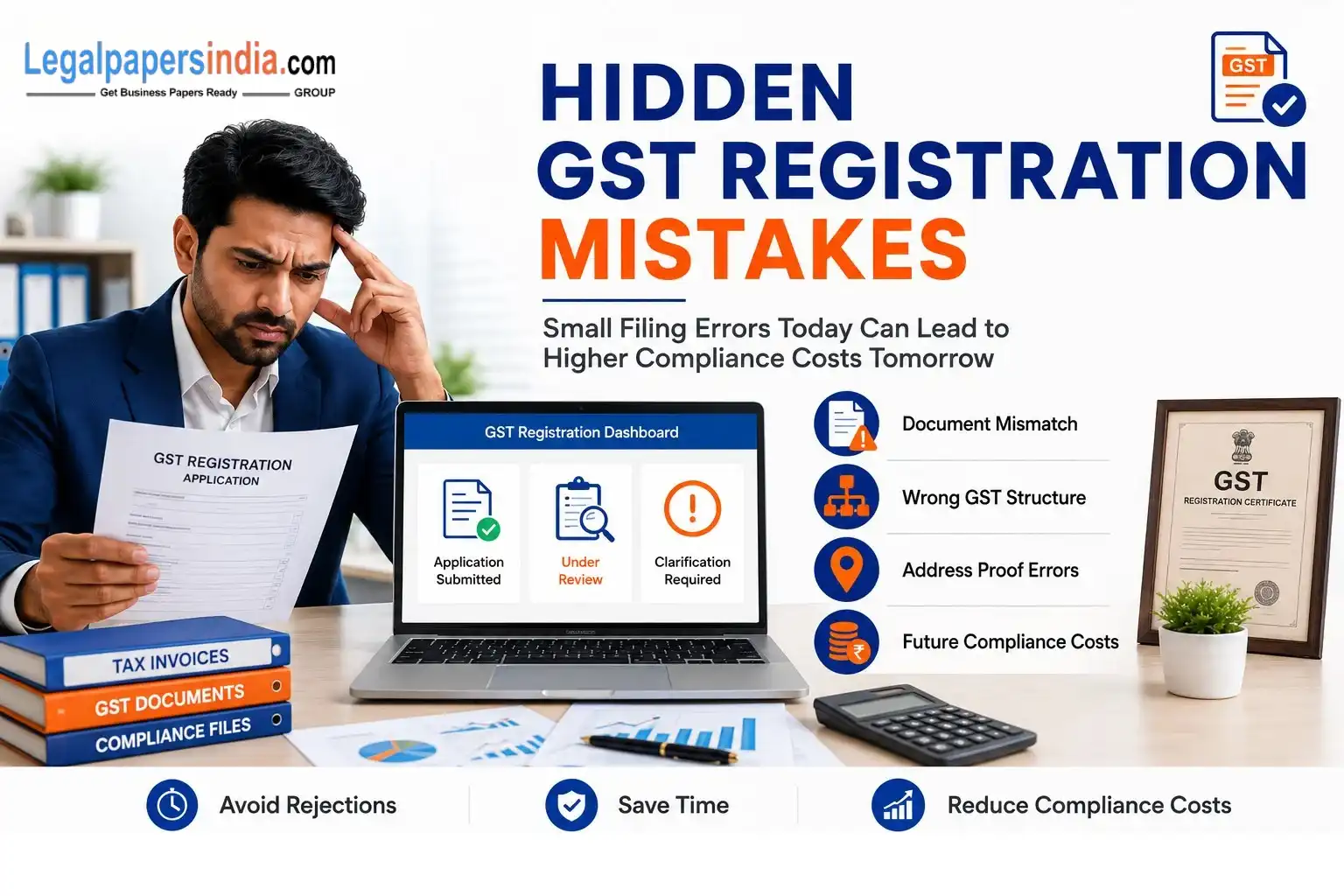
- Assess eligibility properly (turnover + business type)
- Collect required documents (PAN, Aadhaar, business proof)
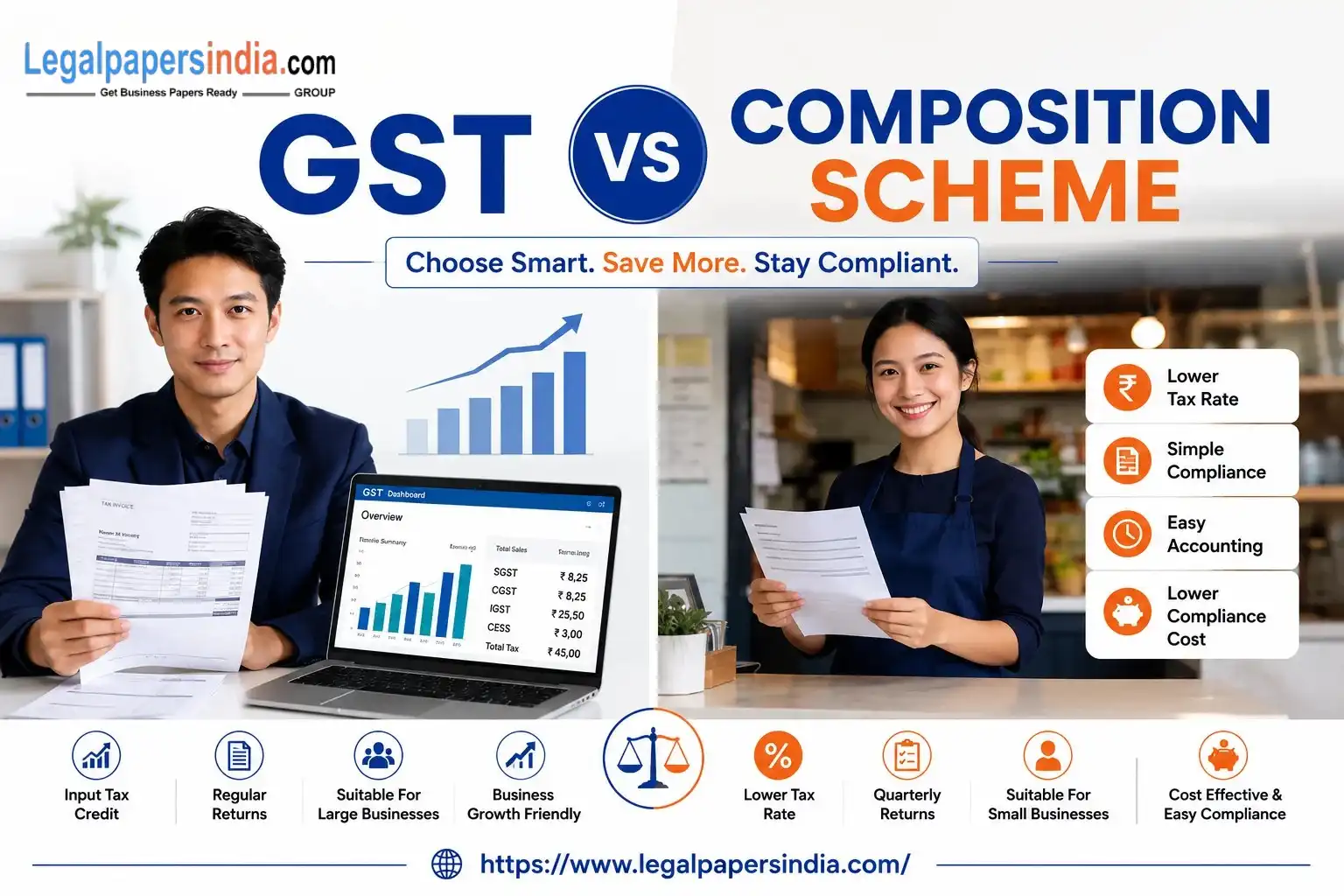
- Determine correct GST category (regular vs composition)
- Apply through GST portal
- Set up invoicing and compliance system early
Don’t rush the process—but don’t overthink it either. Delays often happen due to uncertainty, not complexity.
Common Decision-Stage Mistakes
These are patterns seen repeatedly:
“I’ll register once I grow”
Growth often requires GST—not the other way around.
“My CA will tell me later”
By the time advice comes, you may already be non-compliant.
“I don’t need it because my income is low”
Income alone doesn’t determine GST requirement—business model does.
“I’ll avoid it to save tax”
GST isn’t an income tax—it’s a flow-through system. Avoiding it can hurt more than help.
Practical Scenarios
Scenario 1: Freelancer working with startups
You earn ₹15 lakh but clients are GST-registered companies.
Registration helps you stay competitive and professional.
Scenario 2: Small shop selling locally
Turnover ₹10 lakh, no interstate sales
You can delay GST—no urgency.
Scenario 3: Amazon seller just starting
Even with ₹2 lakh sales
GST is mandatory due to e-commerce rules.
Scenario 4: Manufacturer planning expansion
Currently under threshold but planning interstate distribution
Early registration prevents disruption later.
Final Decision Summary
If your business is evolving beyond a small, local setup—or you want to work with serious clients—GST registration becomes less of a compliance task and more of a strategic step.
If you're still testing or operating on a very small scale, you can wait—but only with clarity, not assumption.
The right decision isn’t about avoiding GST.
It’s about choosing the right timing for it.
Frequently Asked Questions
1. Do I need GST if my income is below ₹20 lakh?
Not always. If you operate locally and don’t meet special conditions (like interstate sales or e-commerce), registration isn’t mandatory. But certain business models still require GST regardless of turnover.
2. Can I register for GST voluntarily?
Yes. Many businesses opt for voluntary registration to claim input tax credit and improve credibility with clients.
3. What happens if I delay GST registration?
If you’re required but delay, you may face penalties, backdated tax liability, and operational restrictions.
4. Is GST required for freelancers?
It depends. If you provide interstate services or work with registered businesses, GST may apply even below the threshold.
5. How do I know if GST is right for me right now?
Evaluate your turnover, client type, growth plans, and business model. If multiple triggers apply, registration is usually the safer and smarter move.
Conclusion
At this stage, you’re not just asking “What is GST?”—you’re asking “Is this the right move for me right now?”
That’s the right question.
If you’re still unsure, reviewing your specific situation with professionals can remove the guesswork. You can also explore how businesses like yours approach compliance by learning more about Legal Papers India or reaching out through their contact page.
Social Share: